Achilles Tattoo Meaning, Designs and Placement Ideas
The greatest warrior at Troy, who chose a short life with glory over a long one without it.
Quick meaning
- Strength and skill in battle
- Choosing a life that matters over a safe one
- Accepting that even the strongest have a weak spot
- Loyalty, love and grief for a lost companion
- Living with the consequences of your anger
Carries the meaning of: Power, Resilience, Loyalty
What a Achilles tattoo symbolizes
Glory over a long life
In Book 9 of the Iliad, Achilles explains that his mother gave him a choice of two fates: stay at Troy and win glory that never dies but never come home, or sail home and live a long life no one remembers. He stays. An Achilles tattoo often stands for that decision to live boldly and leave a mark.
Strength with a weak point
Thanks to the later legend of the heel, Achilles is the symbol of a strong person with one vulnerable spot. Many people find that comforting rather than gloomy: being powerful does not mean being invincible, and admitting a weakness is part of being human.
Loyalty and grief
What finally drives Achilles back into battle is the death of Patroclus, his closest companion. His grief is one of the most moving things in the Iliad. Some people wear Achilles as a memorial to someone they lost, or as a sign of a bond that runs deeper than friendship.
Anger and its cost
The first word of the Iliad is menin, the wrath of Achilles. His pride and rage cost the Greeks dearly and cost him the person he loved most. For some wearers the tattoo is a reminder to control their temper, not to celebrate it.
The myth of Achilles
Achilles was the son of Peleus, a mortal king of Phthia, and Thetis, a sea goddess. Because a prophecy said Thetis’ son would be greater than his father, the gods married her to a mortal. She tried to make her baby immortal, and the stories differ on how: Apollonius of Rhodes and Apollodorus say she held him in fire each night until Peleus caught her and stopped it. The famous dip in the River Styx comes later.
Homer’s Iliad, composed around the 8th century BCE, covers only a few weeks in the tenth year of the Trojan War. It opens with Achilles’ anger. Agamemnon, leader of the Greeks, takes away Briseis, the woman Achilles had been given as a prize, and Achilles withdraws from the fighting. Without him the Greeks are pushed back to their ships.
His companion Patroclus borrows Achilles’ armor to rally the army and is killed by the Trojan prince Hector. Achilles’ grief is overwhelming. With new armor made by the god Hephaestus, he returns to battle, kills Hector and drags his body behind his chariot. The poem ends quietly: old King Priam crosses the battlefield at night to beg for his son’s body, and Achilles, thinking of his own father, weeps with him and gives it back.
Achilles’ death is not told in the Iliad, though it is foretold. Other early poems said Paris killed him with an arrow guided by Apollo. The detail that only his heel could be wounded, because his mother held him there while dipping him in the Styx, appears in the Roman poet Statius’ Achilleid in the first century CE. The Achilles tendon got its name in 1693 from the Flemish anatomist Philip Verheyen.
Choosing the right Achilles tattoo for you
Decide early if your tattoo is about Homer’s Achilles or the heel legend. Homer’s hero is about glory, rage, love and grief. The heel version is about vulnerability. A helmet and shield lean toward the first, an arrow in the heel toward the second.
If you choose a helmet, remember that the tall-crested Corinthian helmet most people picture was widely used across Greece, not only by Achilles or Spartans. Adding a personal detail, such as the Shield of Achilles, Patroclus or a line from the Iliad in Greek, makes the design clearly his.
For heel tattoos, the skin on the back of the ankle moves a lot and can fade faster. Keep the arrow bold and simple rather than packing in fine detail.
Achilles tattoo design ideas
Helmeted warrior
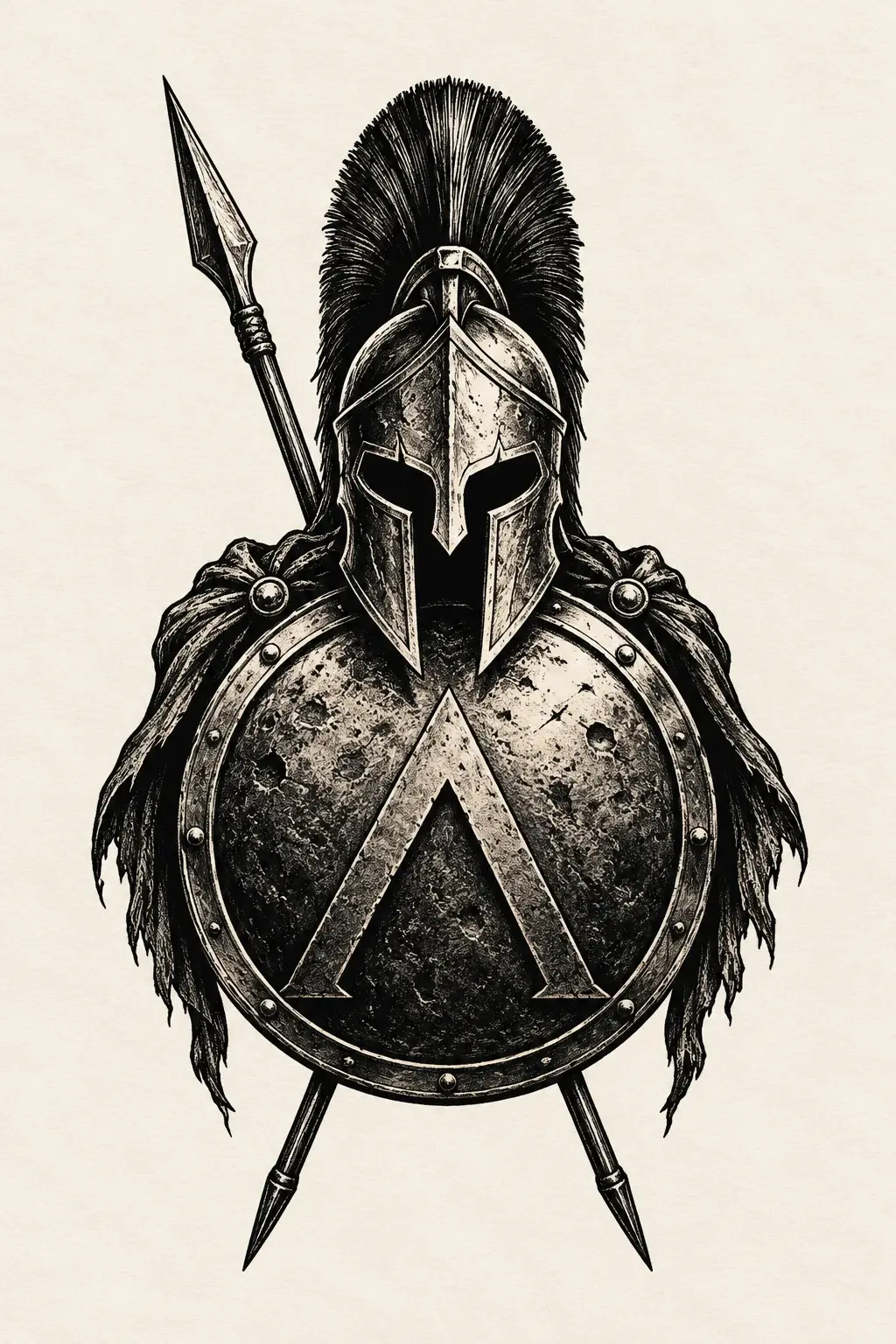
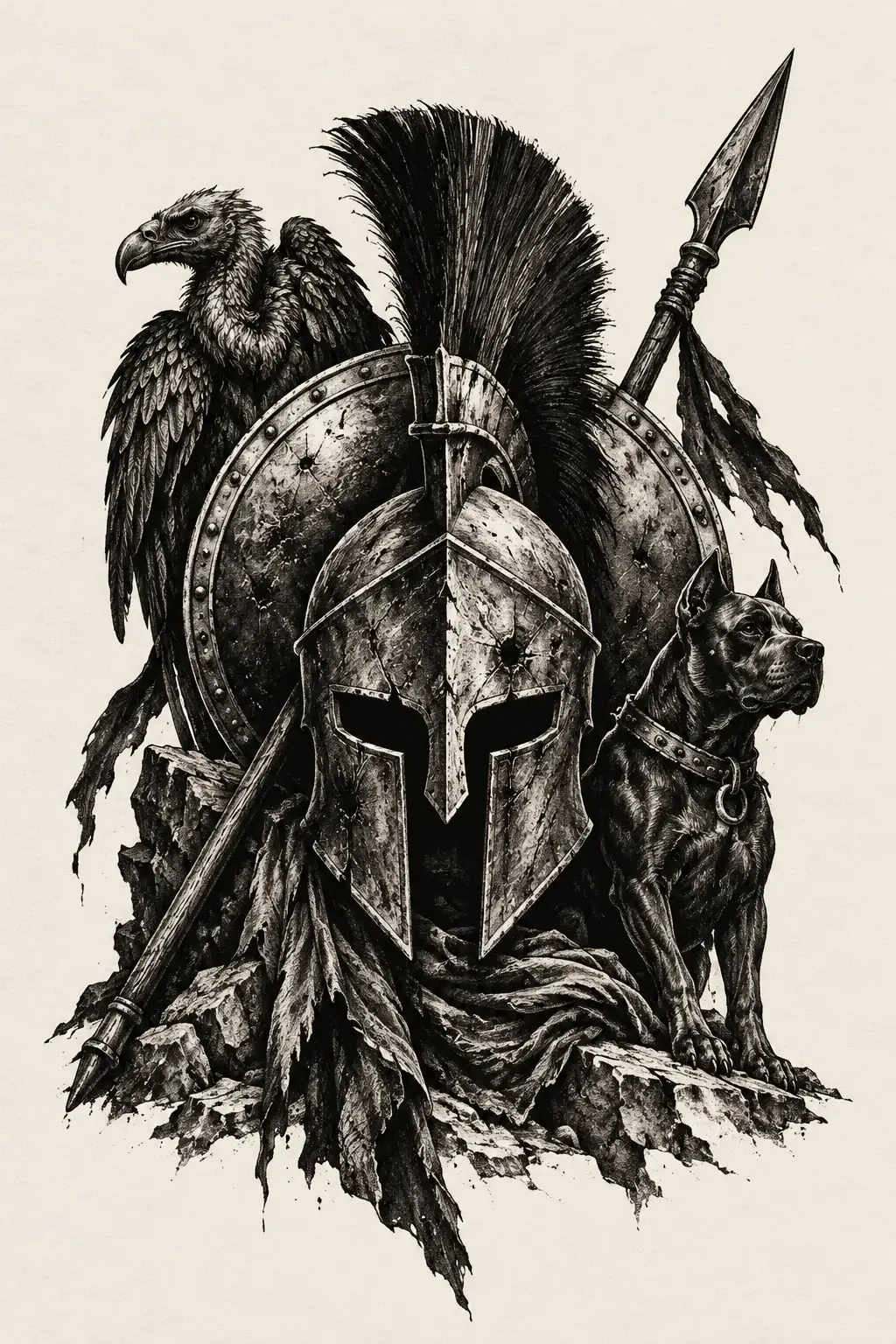
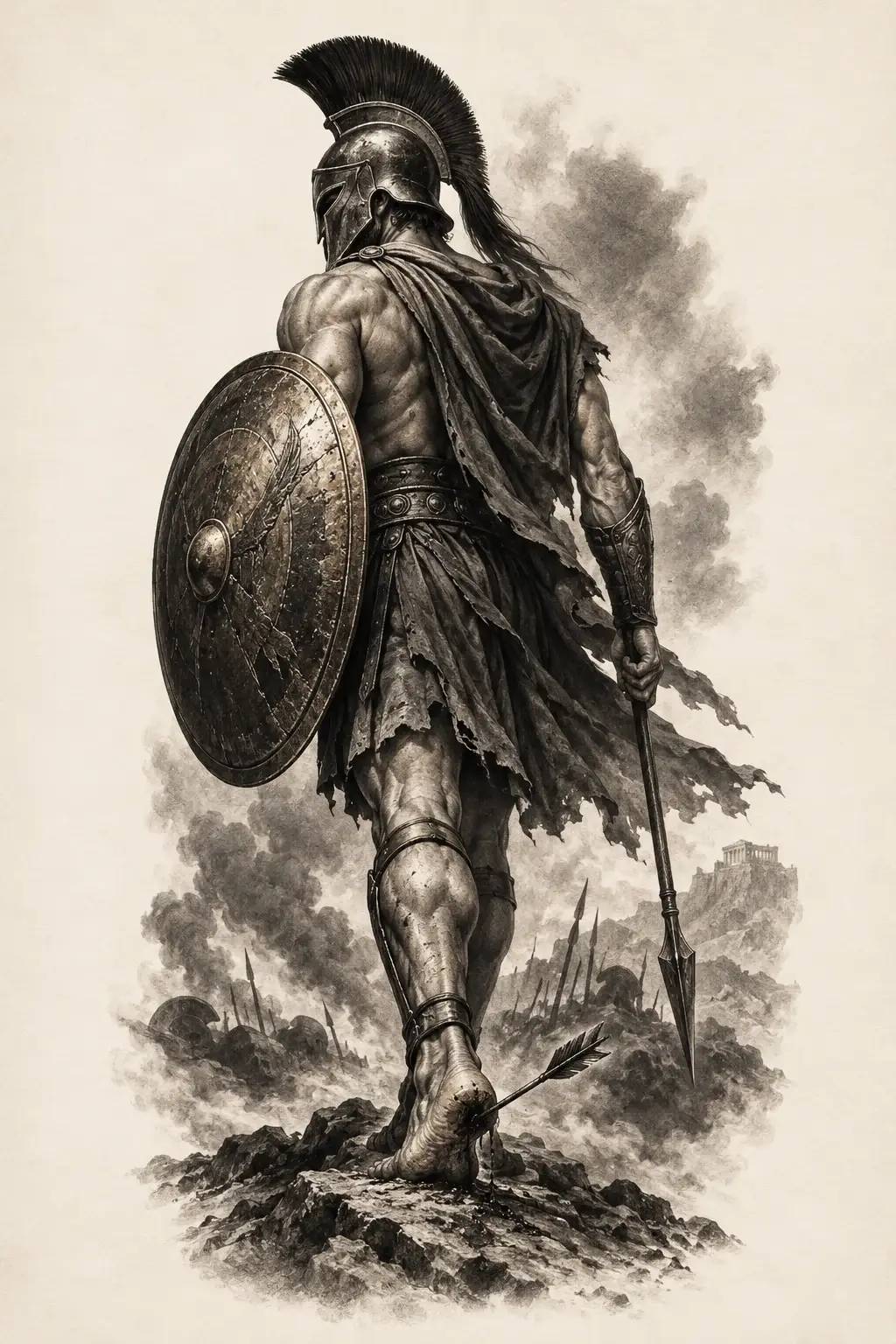
A bronze helmet with a tall crest, often seen in profile or from behind, with a spear and round shield. Realism shows off the dents and reflections in the metal. It is the most popular way to show Achilles.
Arrow in the heel
A figure, or just a foot, struck by a single arrow at the heel. It is direct and instantly recognized. It also works brilliantly as a small design placed right on the back of the ankle.
The dying Achilles
Inspired by Ernst Herter's statue Dying Achilles (1884), which stands in the gardens of the Achilleion palace on Corfu. The hero kneels, reaching for the arrow. It suits black and grey or engraving styles.
Achilles and Patroclus
Two warriors together, often taken from the Sosias cup in Berlin, a red-figure vase from around 500 BCE showing Achilles bandaging Patroclus' wounded arm. A tender scene that many choose as a symbol of love or deep friendship.
Shield of Achilles
Homer spends more than 100 lines in Iliad Book 18 describing the shield Hephaestus made, decorated with the earth, sky, sea, cities at war and in peace. A circular shield design makes a rich, detailed piece for the shoulder or chest.
Best placements for a Achilles tattoo
- Calf
- A favorite for full-figure Achilles pieces, and it places the story close to the heel where it ends. The muscle gives a good, smooth canvas.
- Back of the ankle
- The obvious spot for an arrow-in-the-heel tattoo. It is small and witty but sits over thin skin and bone, so expect a sharp sting.
- Upper arm or shoulder
- Ideal for a helmeted warrior bust or the round shield. Easy to show off, easy to cover, and moderate on pain.
- Back
- Room for a full battle scene, such as Achilles facing Hector or the full Shield of Achilles.
Styles that suit Achilles
- Black and grey realism
- The top choice for helmets, armor and faces. Smooth shading gives bronze a polished, heavy look.
- Red-figure (Greek vase)
- Achilles was one of the most painted heroes on Greek pottery. A vase-style design connects your tattoo directly to how the Greeks themselves pictured him.
- Blackwork
- Solid black helmets and shields with sharp negative space look bold and age very well.
- Engraving
- Fine hatching like a classical etching suits statue-based designs and scenes from the Iliad.
25 more Achilles tattoo designs
Different styles and placements to show your tattoo artist.
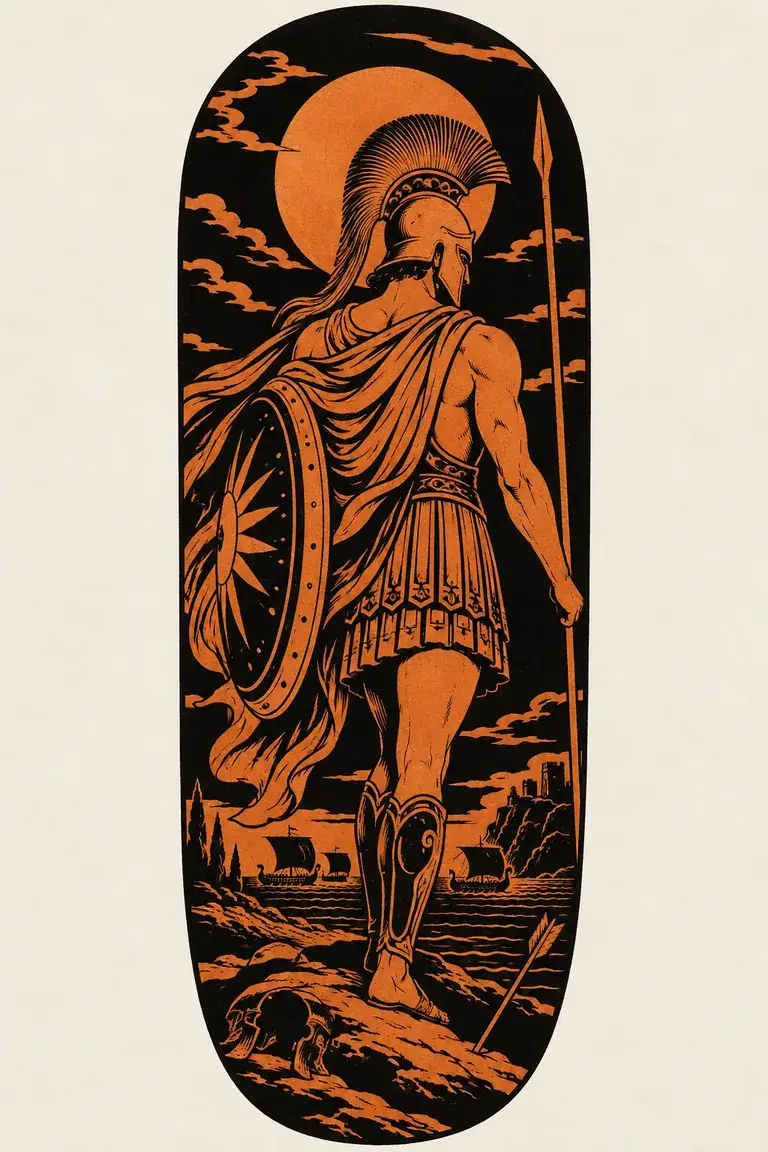
Red-figure (Greek vase), Forearm
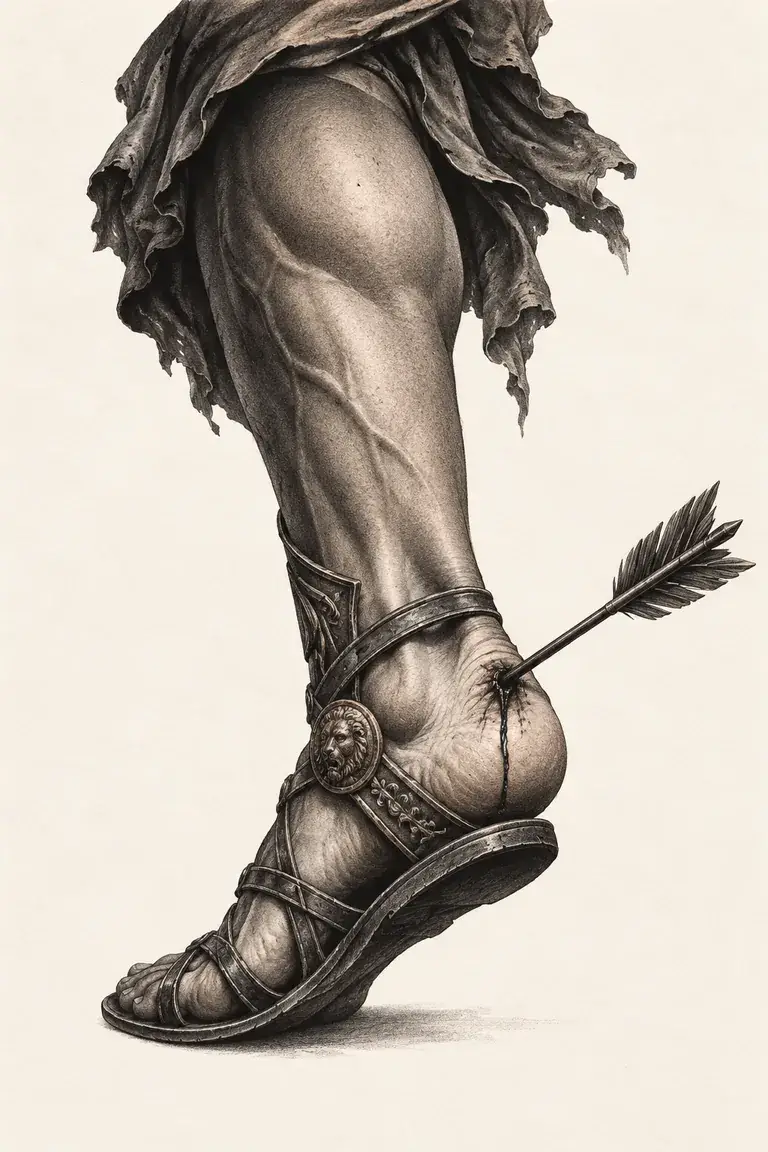
Black and grey realism, Thigh
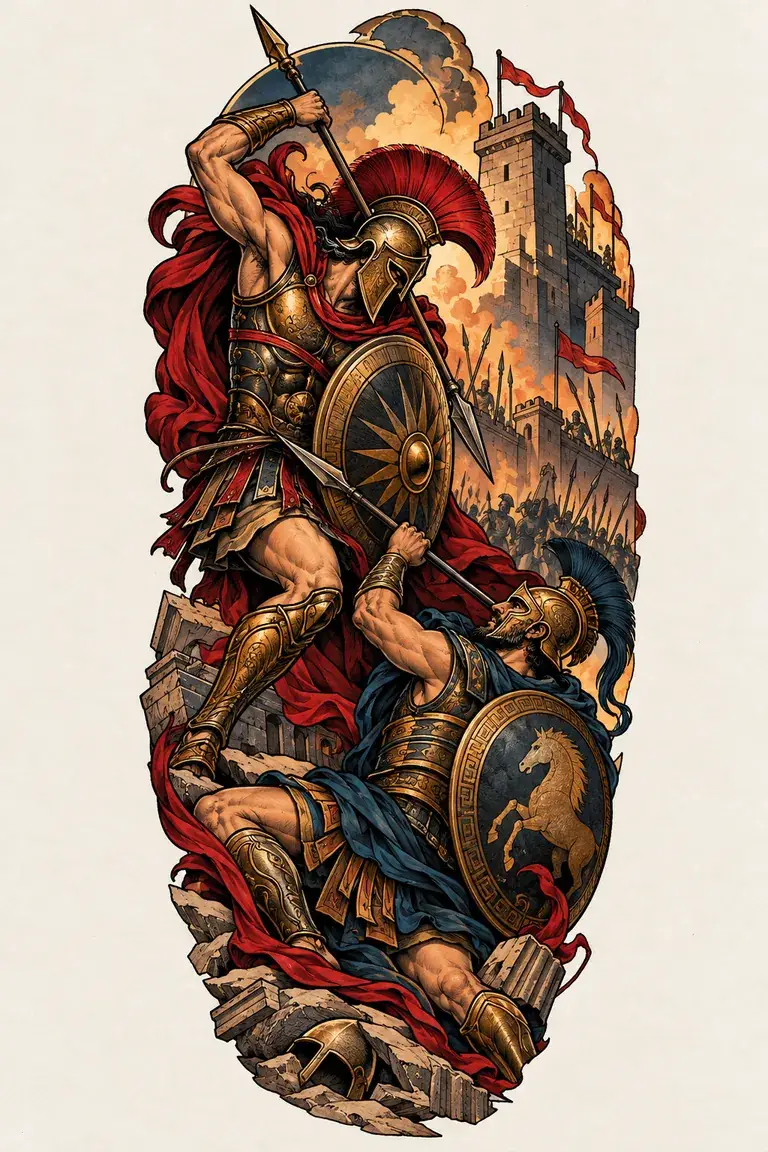
Neo-traditional, Forearm
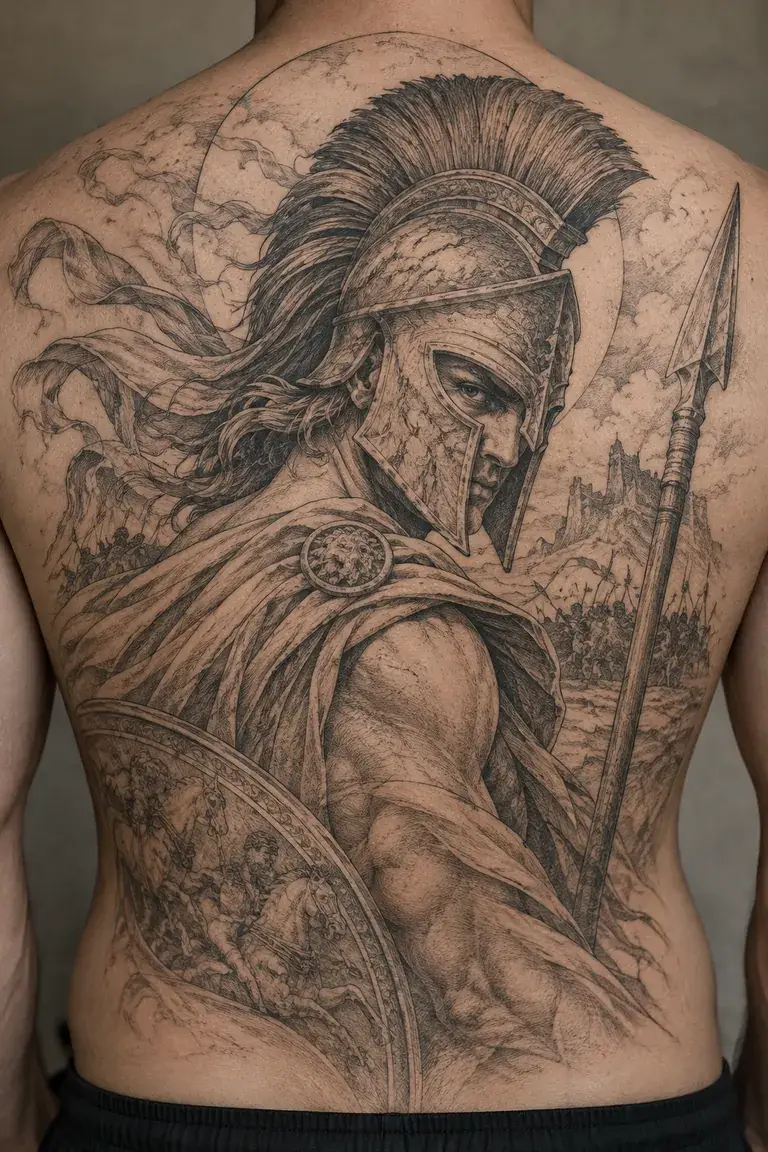
Fine-line, Back
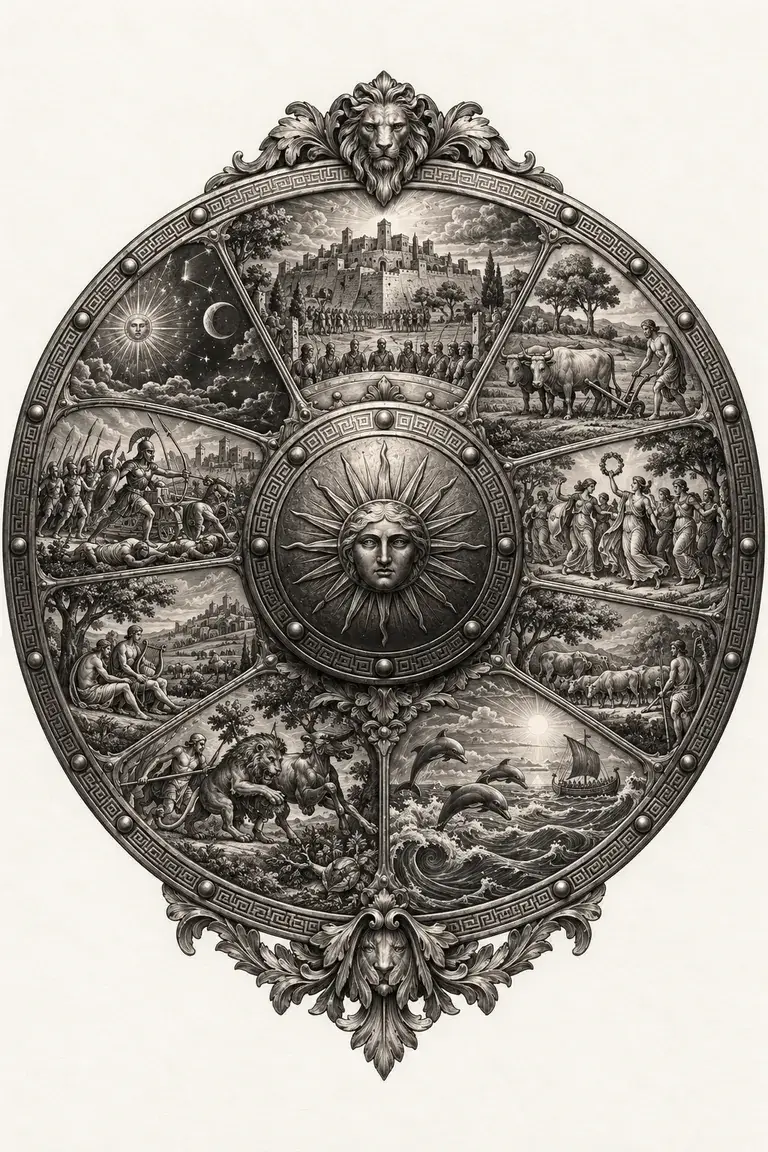
Black and grey realism, Back
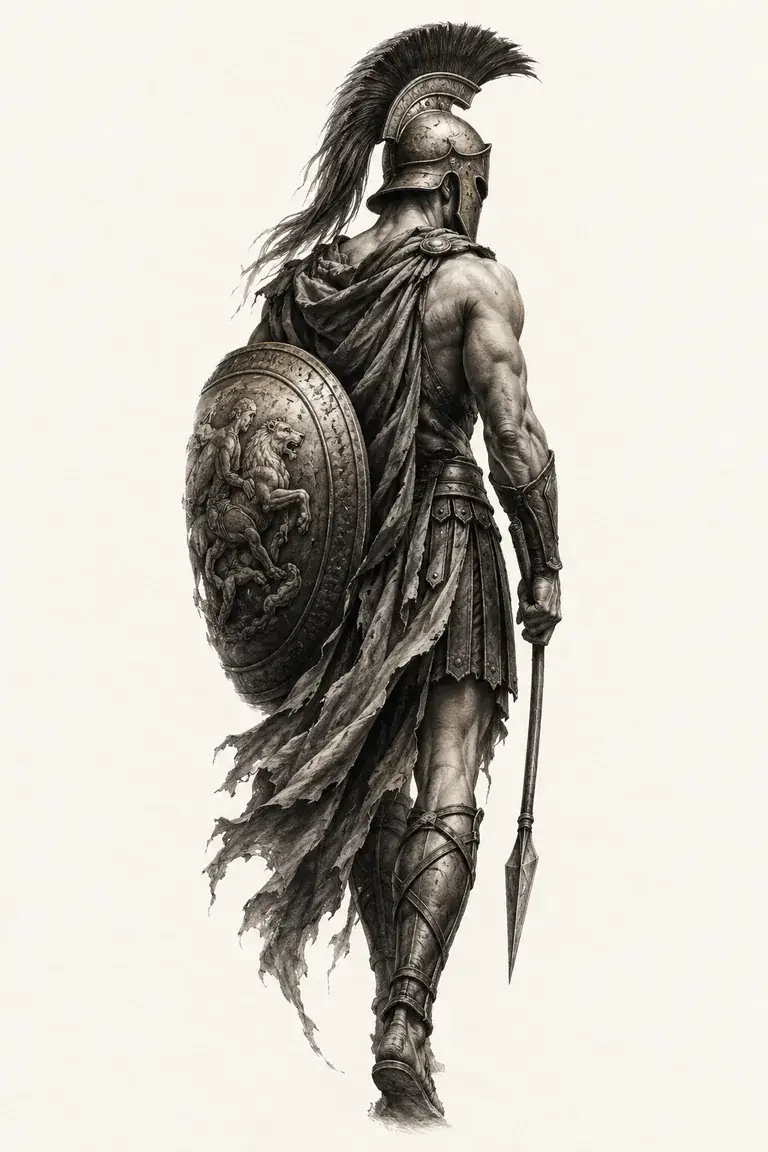
Black and grey realism, Forearm
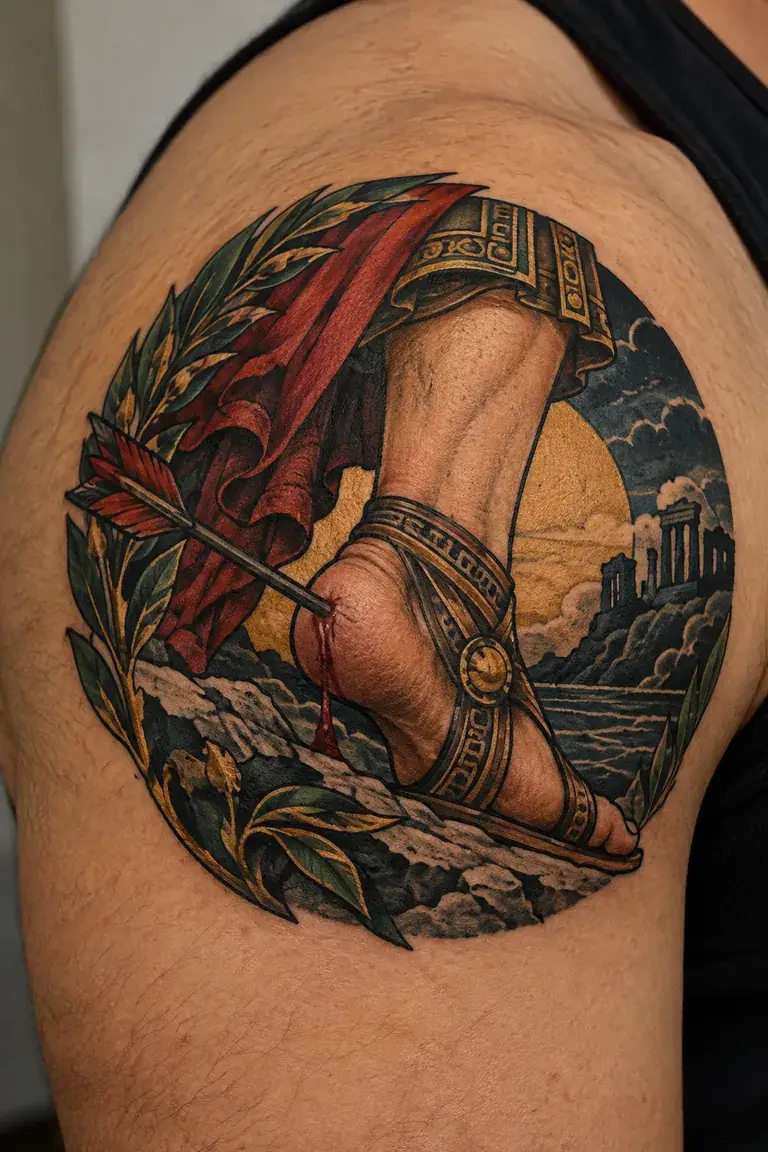
Neo-traditional, Shoulder
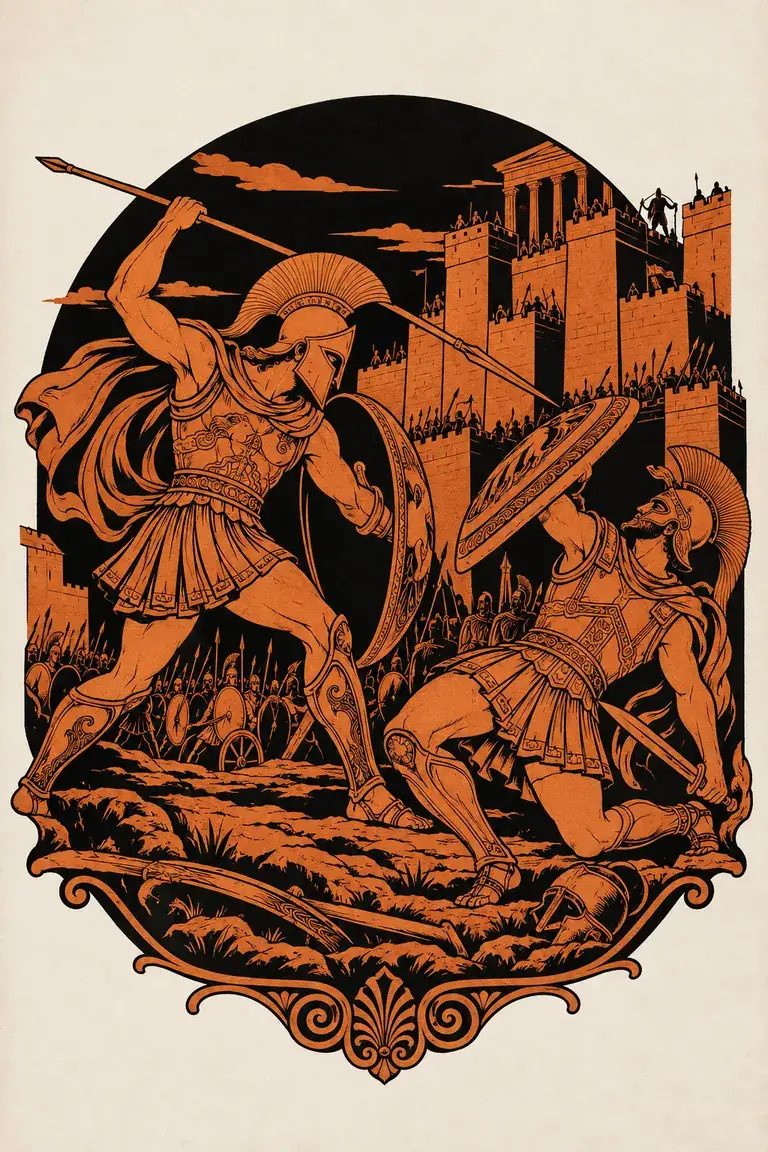
Red-figure (Greek vase), Back
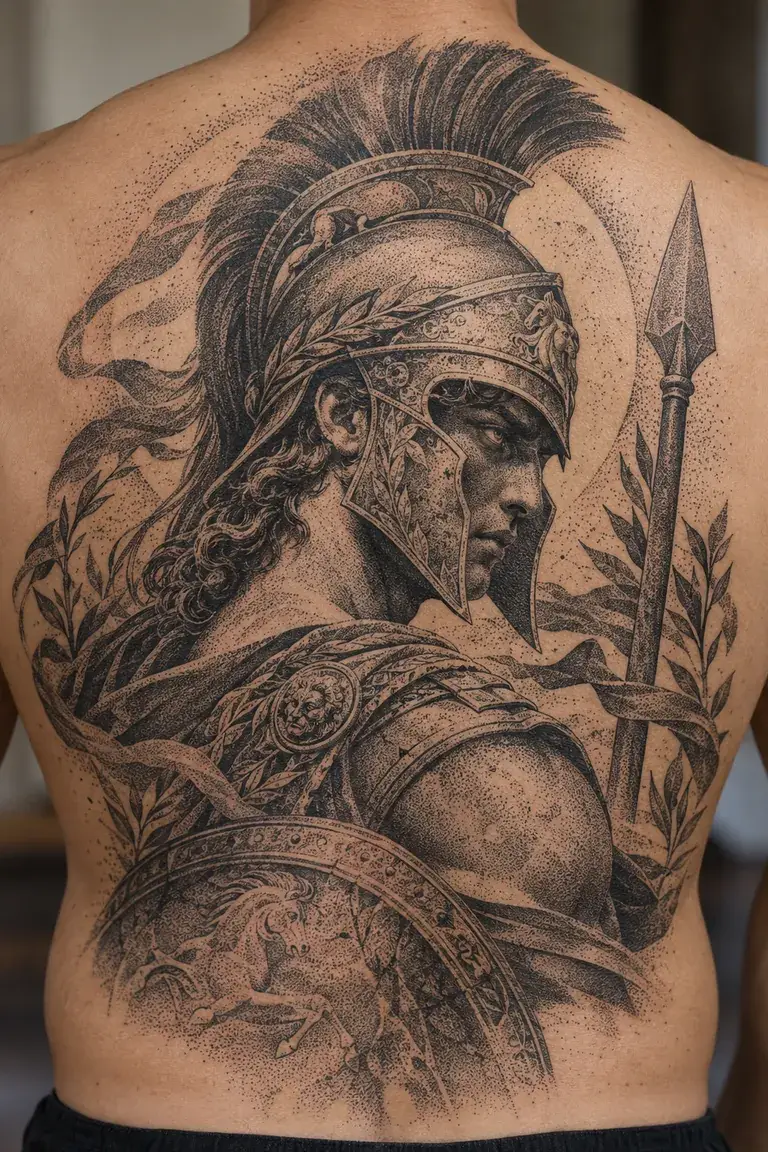
Dotwork, Back
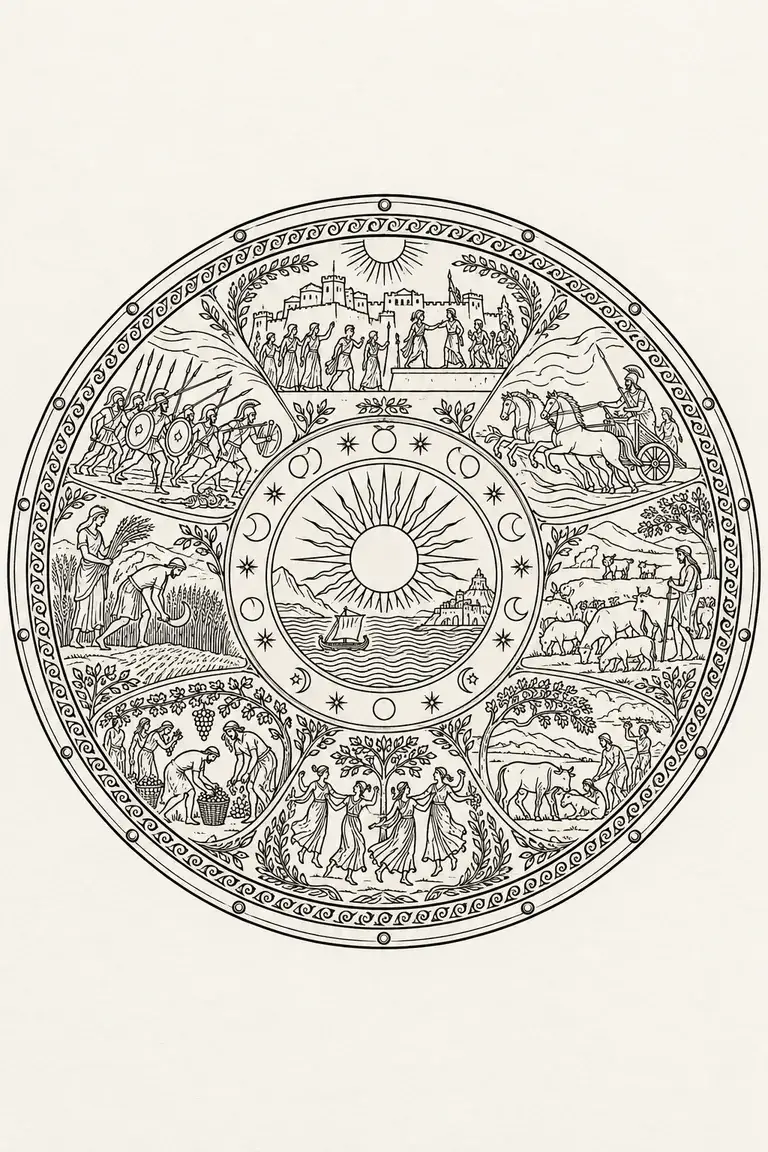
Minimalist, Upper arm
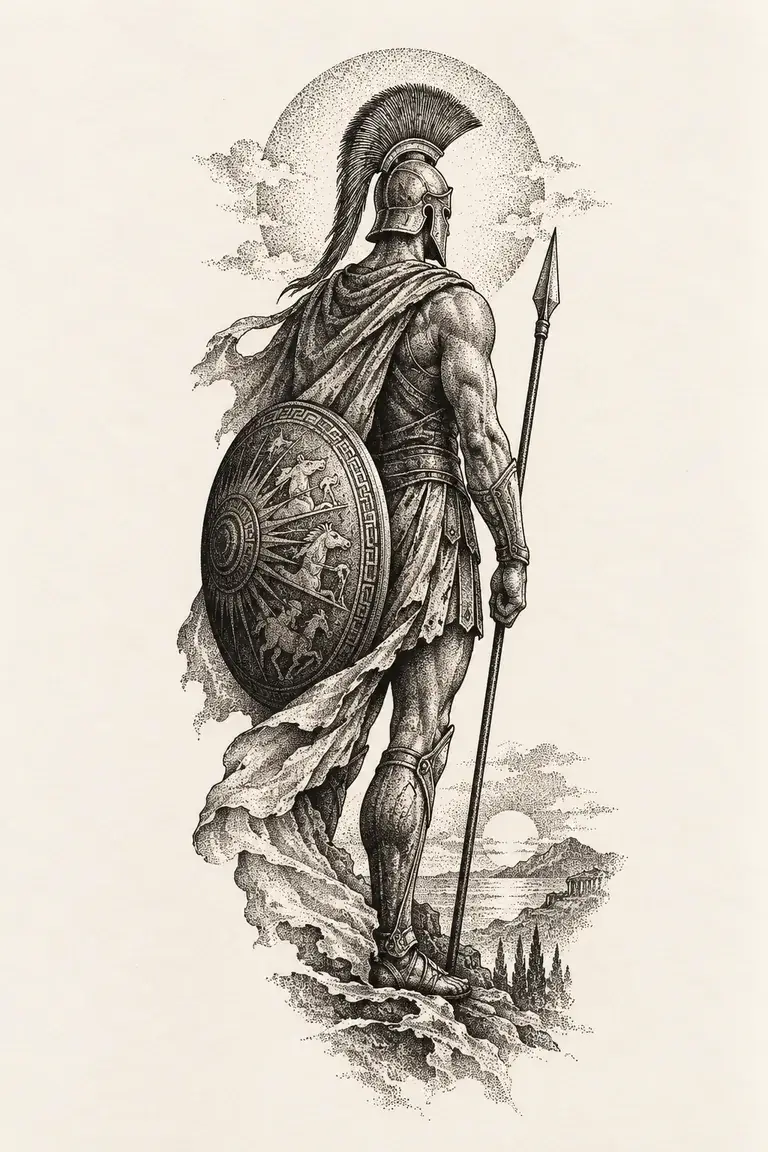
Dotwork, Ribs
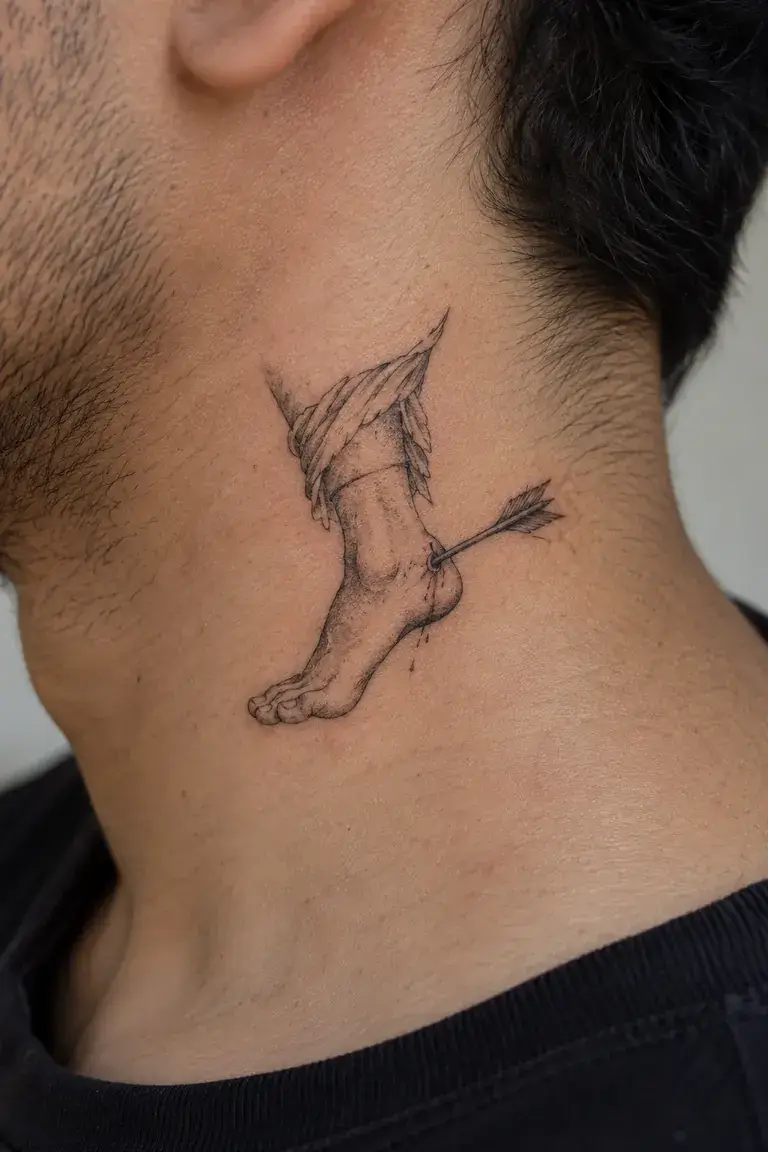
Fine-line, Neck
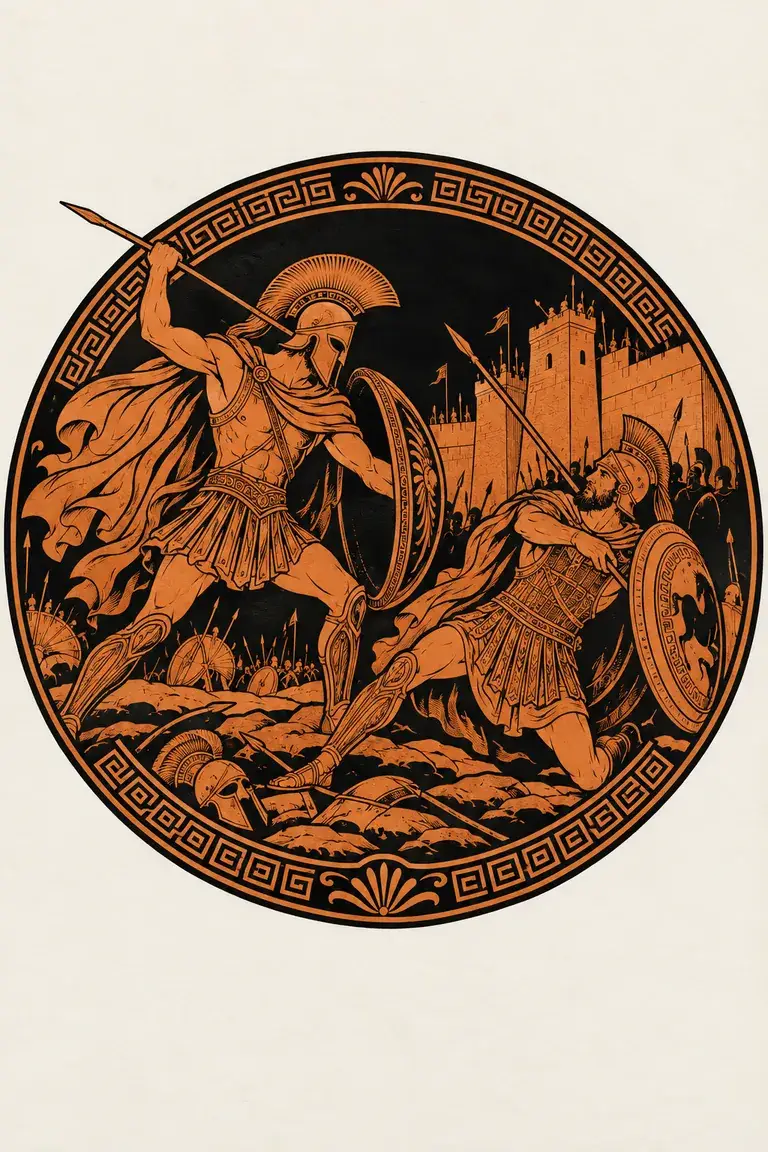
Red-figure (Greek vase), Shoulder
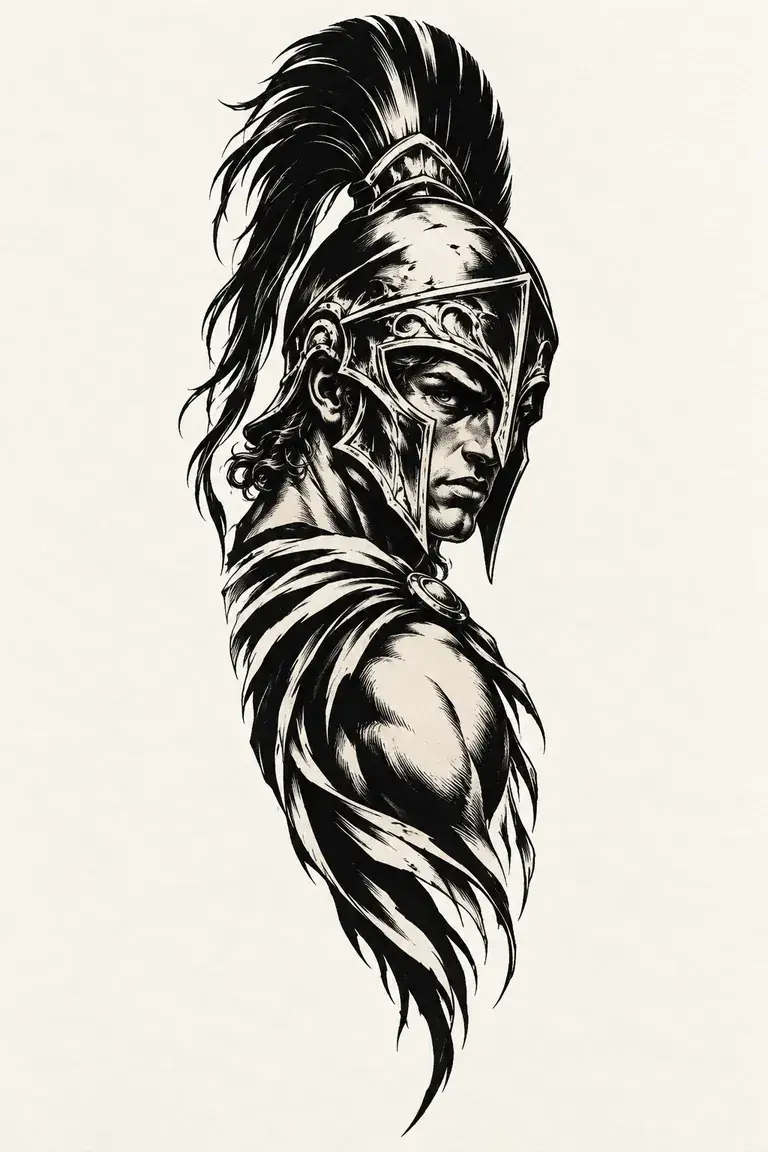
Blackwork, Ribs
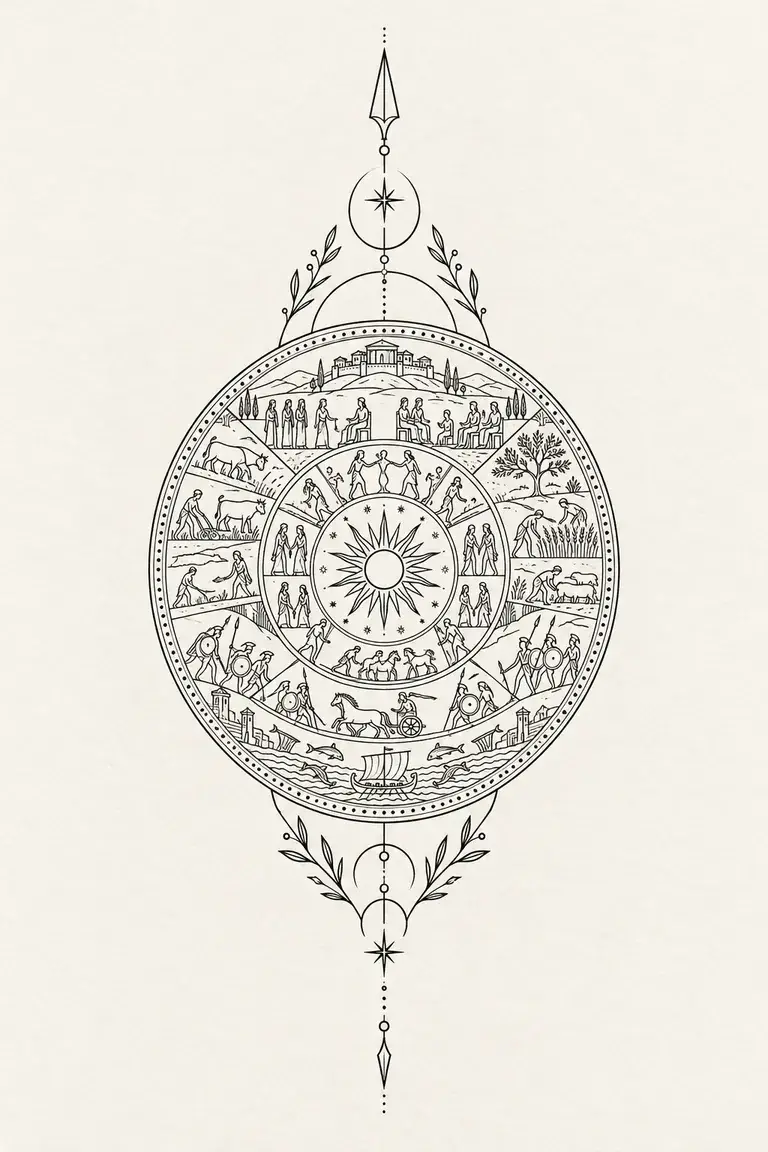
Minimalist, Forearm
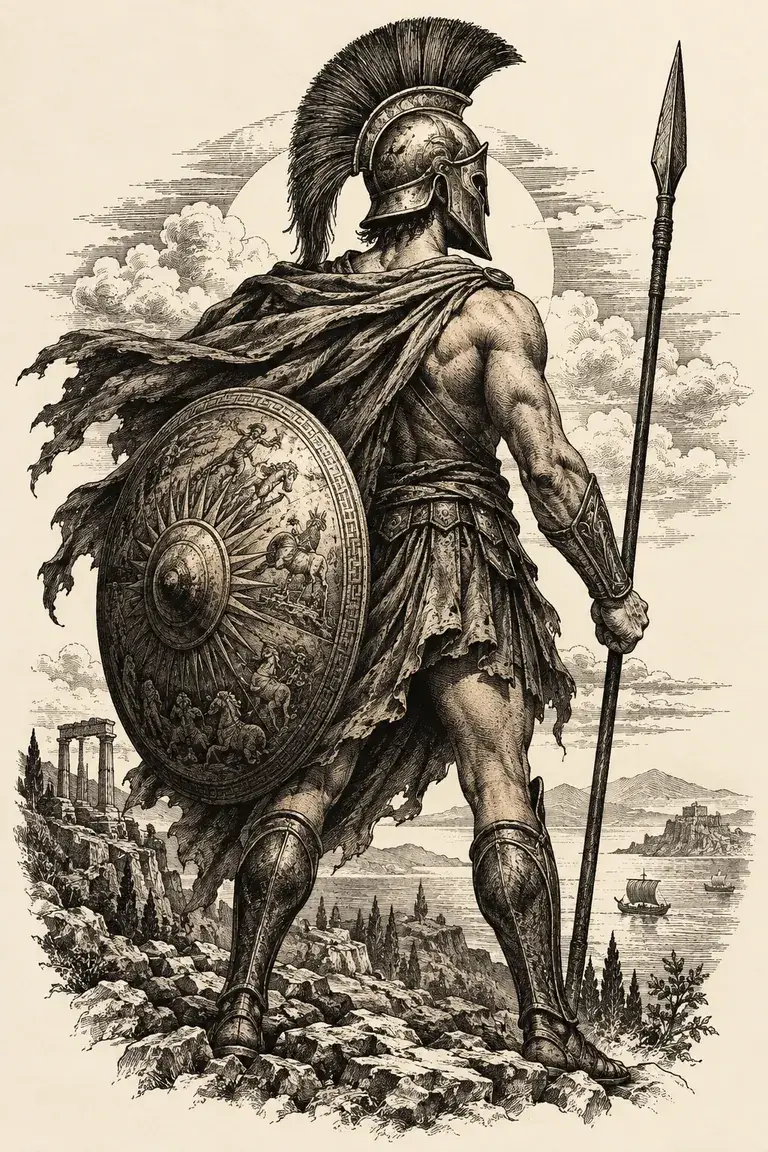
Engraving, Back
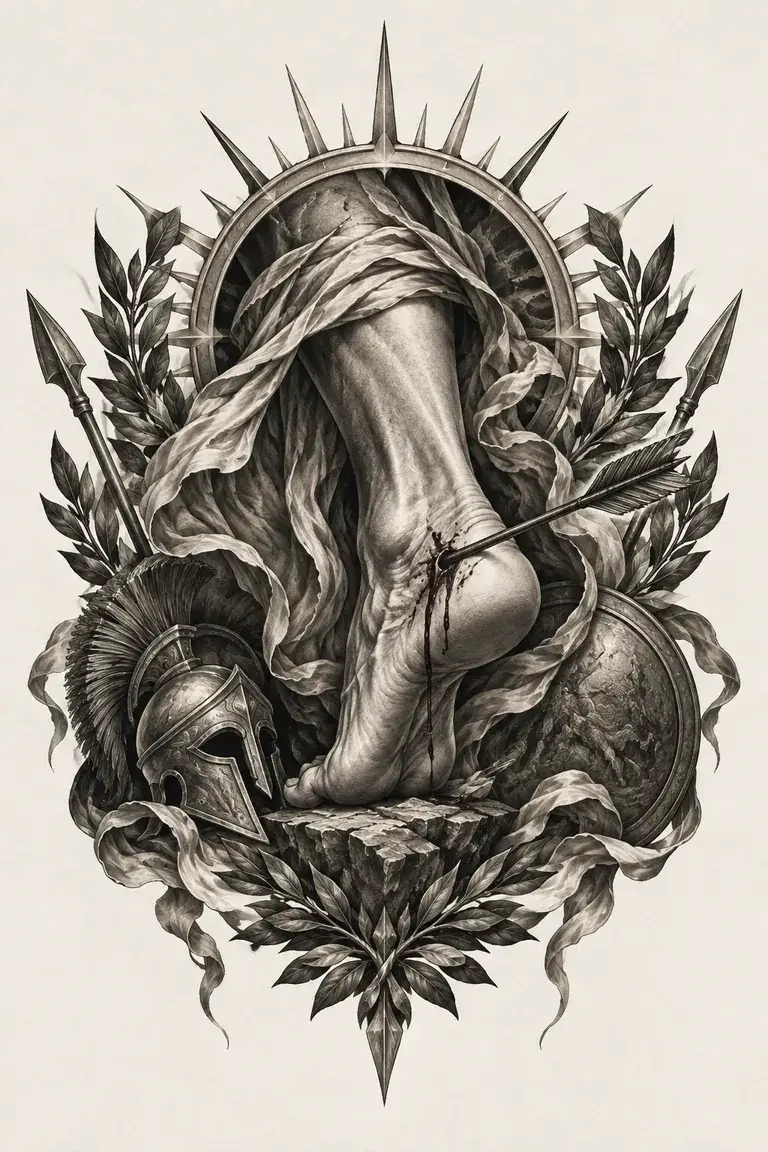
Black and grey realism, Chest
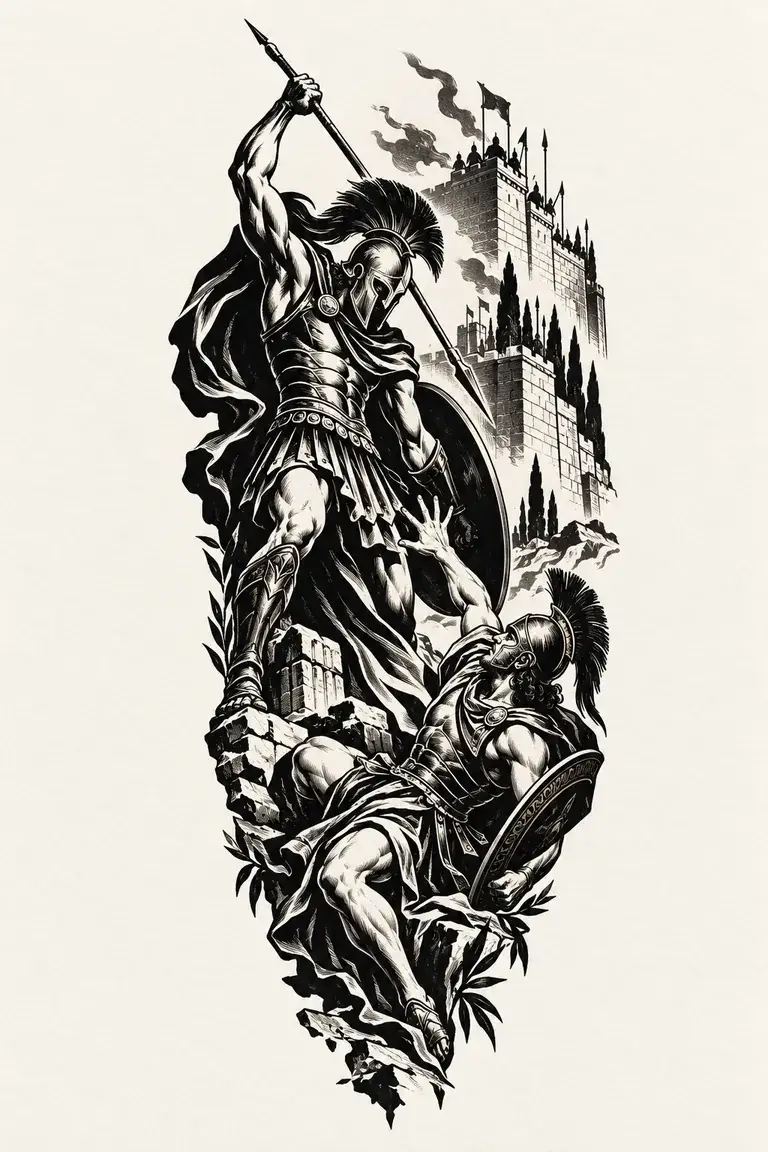
Blackwork, Ribs
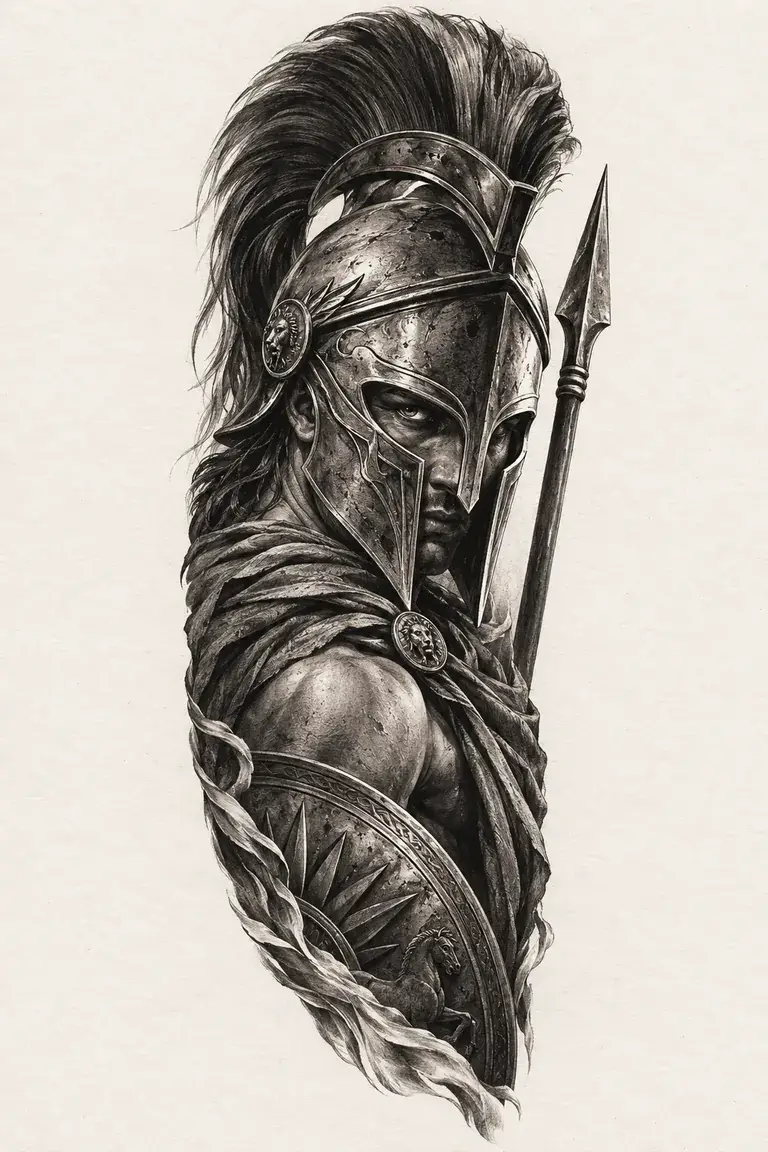
Black and grey realism, Forearm
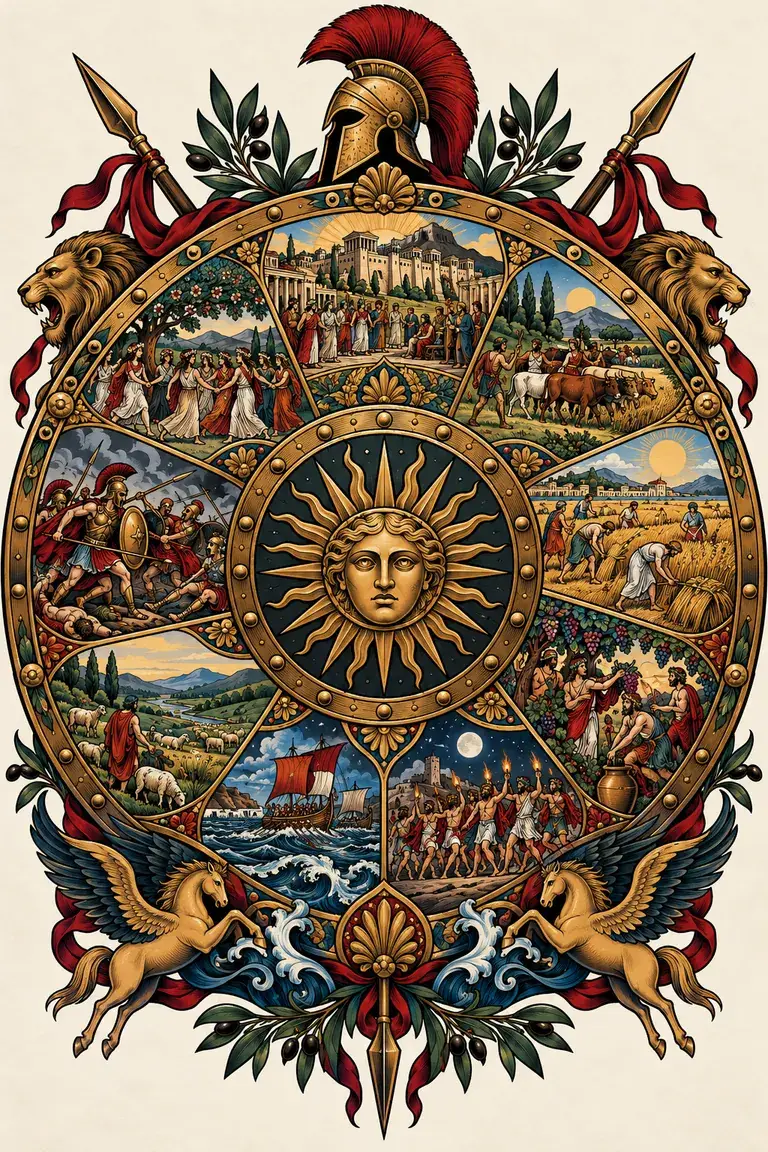
Neo-traditional, Back
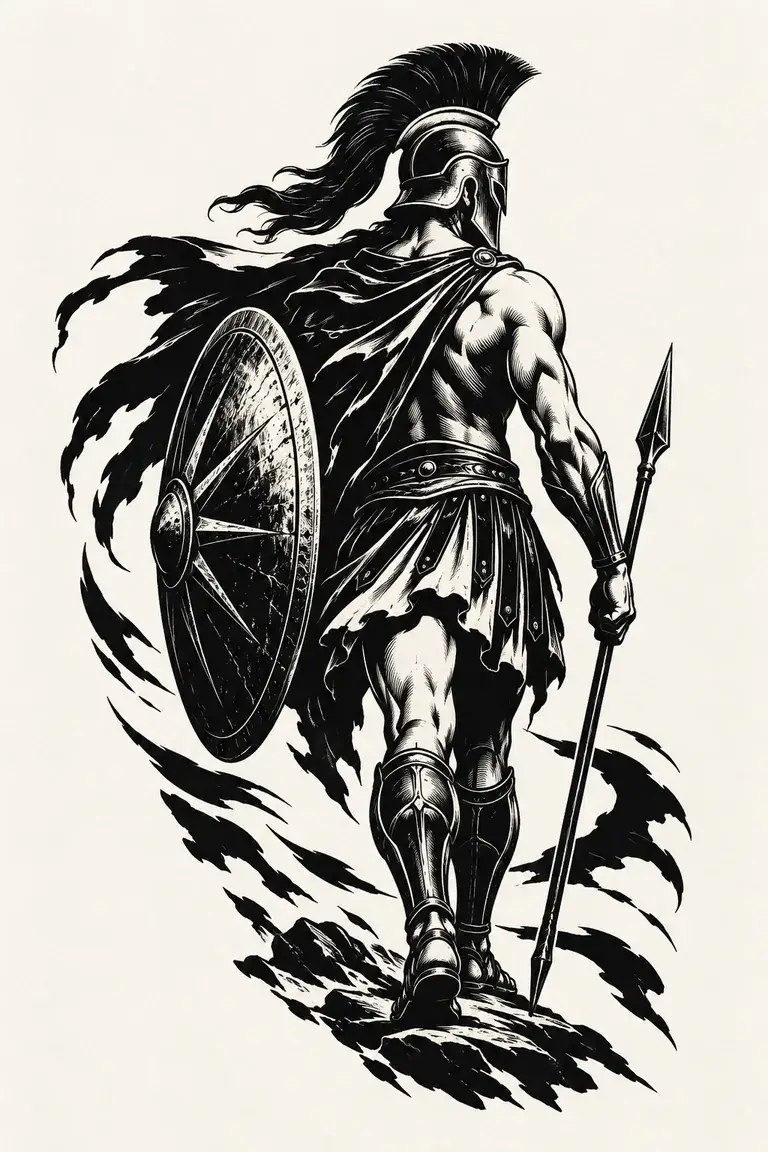
Blackwork, Upper arm
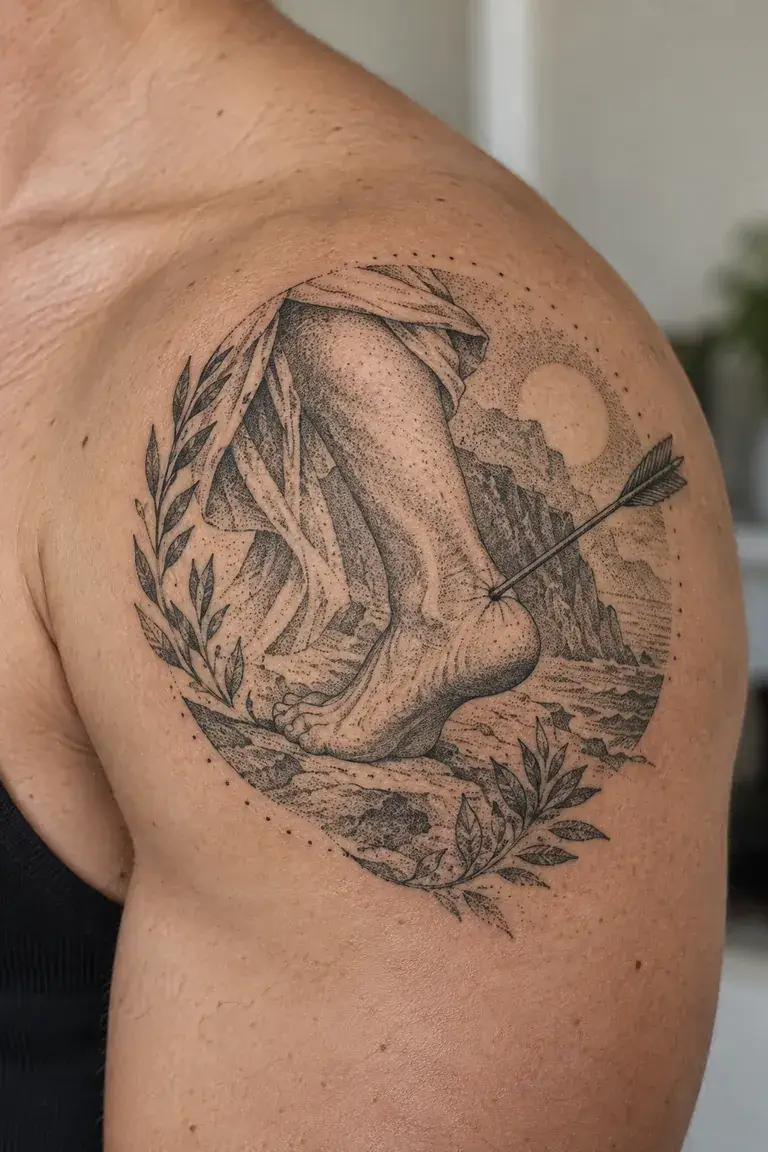
Dotwork, Shoulder
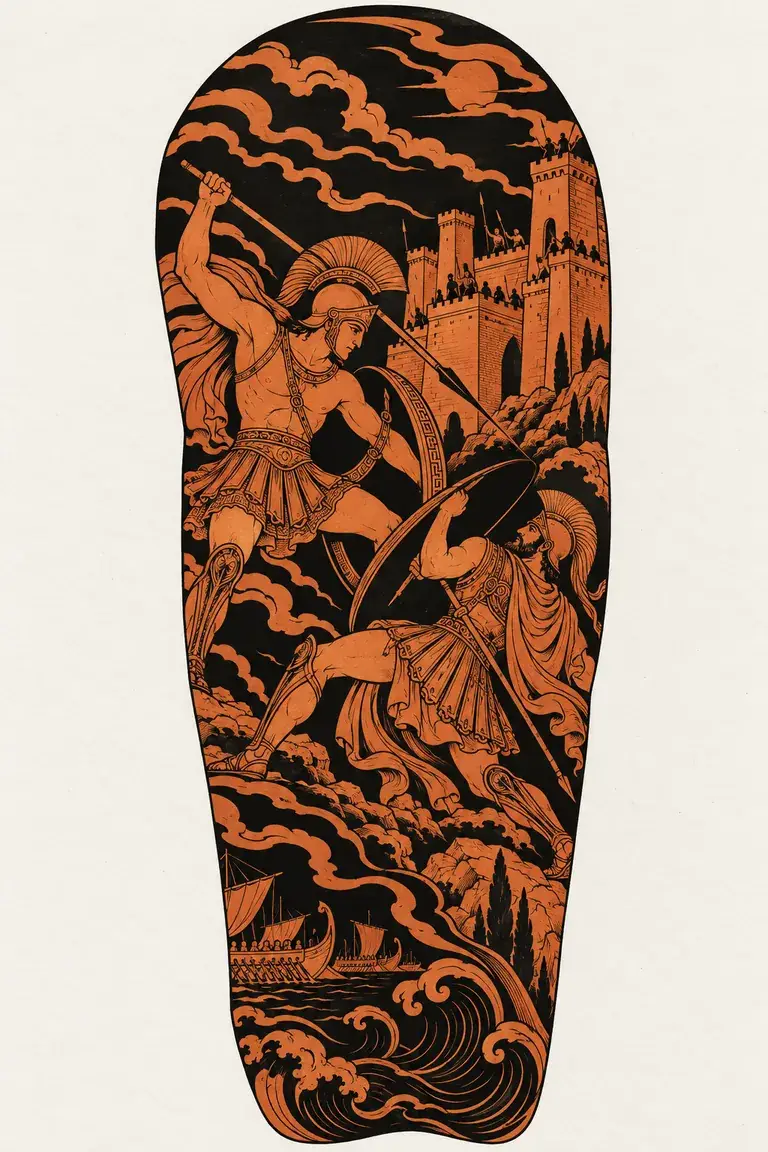
Red-figure (Greek vase), Sleeve
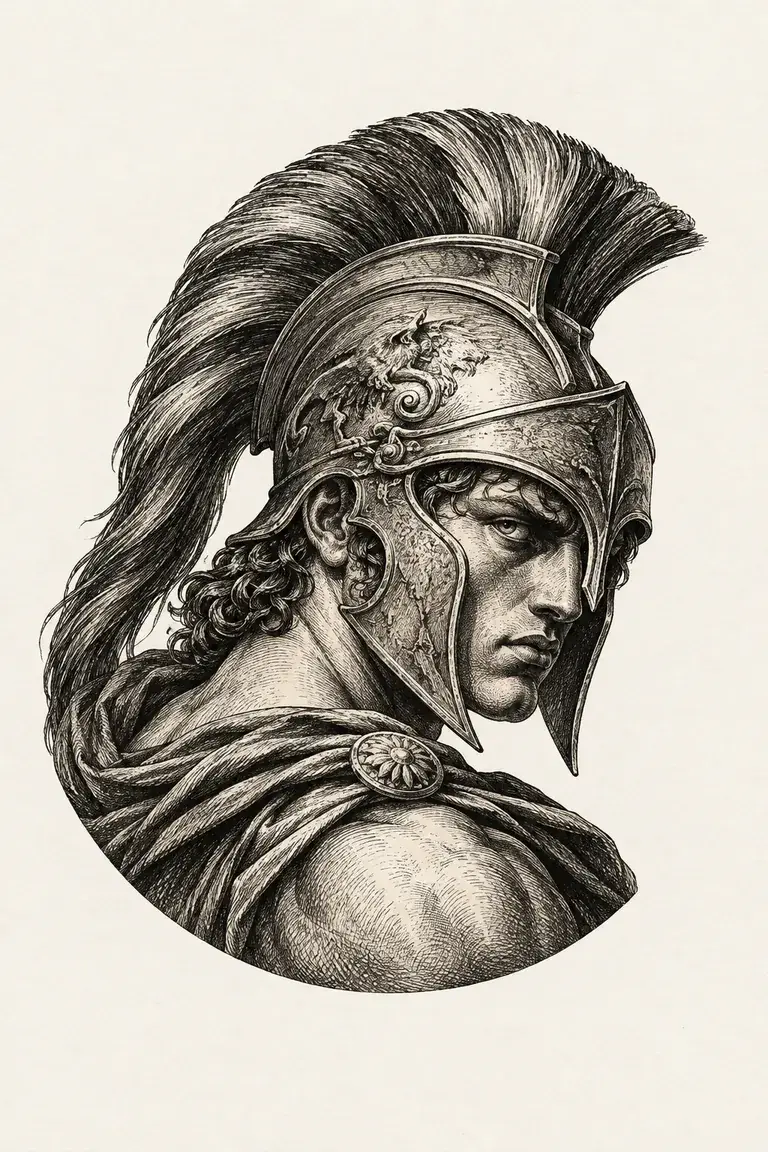
Engraving, Shoulder
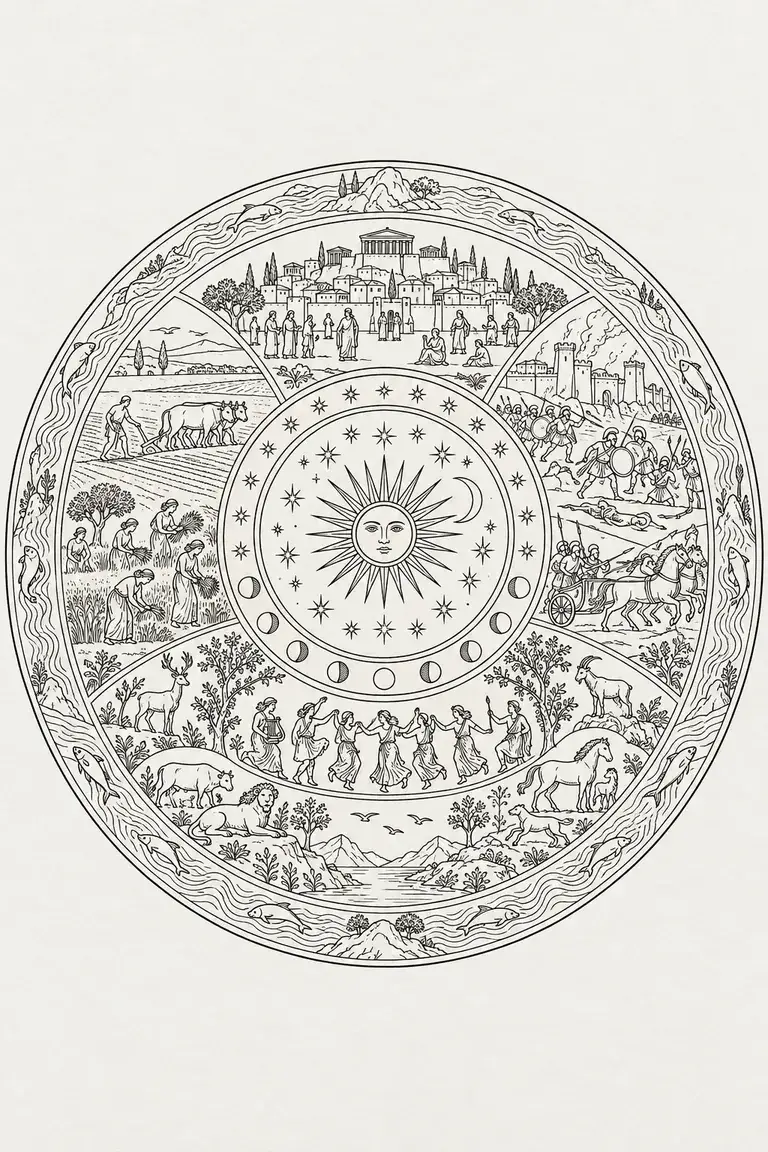
Minimalist, Back
Frequently asked questions
What does an Achilles tattoo mean?
It usually stands for strength, courage and choosing a meaningful life over a safe one. Because of the heel legend, it can also mean accepting that everyone, even the strongest, has a weak point.
Is the Achilles heel in the Iliad?
No. Homer never mentions it. In the Iliad Achilles can be wounded, and his death is foretold but not shown. The story of his mother dipping him in the River Styx while holding his heel appears much later, most clearly in the Roman poet Statius' Achilleid, written in the late first century CE.
How did Achilles die?
He was killed at Troy by an arrow shot by Paris and guided by the god Apollo. Hector predicts this as he dies in the Iliad, and the lost epic Aethiopis described it. Later writers added that the arrow struck his heel, his one vulnerable spot.
Were Achilles and Patroclus lovers?
Homer describes them as inseparable companions without saying they were lovers. By the fifth century BCE many Greeks, including Aeschylus and Plato, did see them as a couple. Modern novels such as The Song of Achilles follow that reading, which is why the pair is a popular LGBTQ symbol.
Where should I put an Achilles tattoo?
The calf and the back of the ankle are popular because they link the design to the heel. Helmet and shield designs suit the upper arm, shoulder or chest.