Spartan Tattoo Meaning, Designs and Placement Ideas
Real soldiers, not myth: the warriors of Sparta and their reputation for discipline, courage and holding the line.
Quick meaning
- Discipline and self-control
- Courage and refusing to give up
- Brotherhood and standing with your team
- Duty and sacrifice for others
- Strength built through hard training
Carries the meaning of: Resilience, Loyalty, Power
What a Spartan tattoo symbolizes
Discipline
Spartan boys entered the agoge, a harsh state training system, at around age seven. The modern word spartan, meaning plain and strict, comes straight from their reputation. A Spartan tattoo often stands for self-discipline, routine and doing hard things every day.
Holding the line together
Spartans fought in the phalanx, a tight formation where each man's shield also protected the man beside him. Breaking ranks put everyone at risk. That is why the helmet and shield are so popular with soldiers, police, firefighters and sports teams: the tattoo is about the group, not the individual.
Courage against the odds
Thermopylae made the Spartans legends: a small force holding a narrow pass against the huge Persian army of Xerxes. For many wearers the tattoo means facing a challenge that looks impossible and not backing down.
Return with honor
"With your shield or on it" meant come home victorious, or be carried home dead on your shield, but never throw it away to run. Today it is read more gently as a commitment to finish what you start.
The history behind the Spartan warrior
Unlike most subjects on this site, the Spartans were real. Sparta was a Greek city-state in the southern Peloponnese, at its height between about the 7th and 4th centuries BCE. Its citizens trained from childhood to be full-time soldiers, while the farming was done by the helots, a large enslaved population the Spartans kept down by force. That harsh side is part of the history too.
The most famous moment came in 480 BCE at Thermopylae, a narrow coastal pass in central Greece. King Leonidas led 300 Spartans and a few thousand other Greek allies against the invading Persian army of Xerxes. According to Herodotus, they held the pass for three days, until a local man named Ephialtes showed the Persians a mountain path around it. Leonidas sent most of the allies away and stayed to fight with his Spartans, the Thespians and the Thebans. Almost all of them died. A famous epitaph attributed to Simonides read: “Go tell the Spartans, stranger passing by, that here, obedient to their laws, we lie.”
The best known Spartan sayings come from Plutarch, writing about 600 years later. In his Sayings of Spartans, Leonidas answers the demand to surrender his weapons with “Molon labe,” come and take them. In Sayings of Spartan Women, a mother hands her son his shield and tells him to return “with it or on it.”
The look most people picture owes a lot to pop culture. Frank Miller’s comic 300 (1998) and Zack Snyder’s 2006 film gave us bare-chested warriors in red cloaks. Real hoplites wore bronze or linen body armor, and the crested Corinthian helmet was used across Greece, not just in Sparta. The red cloak, at least, is historical.
Choosing the right Spartan tattoo for you
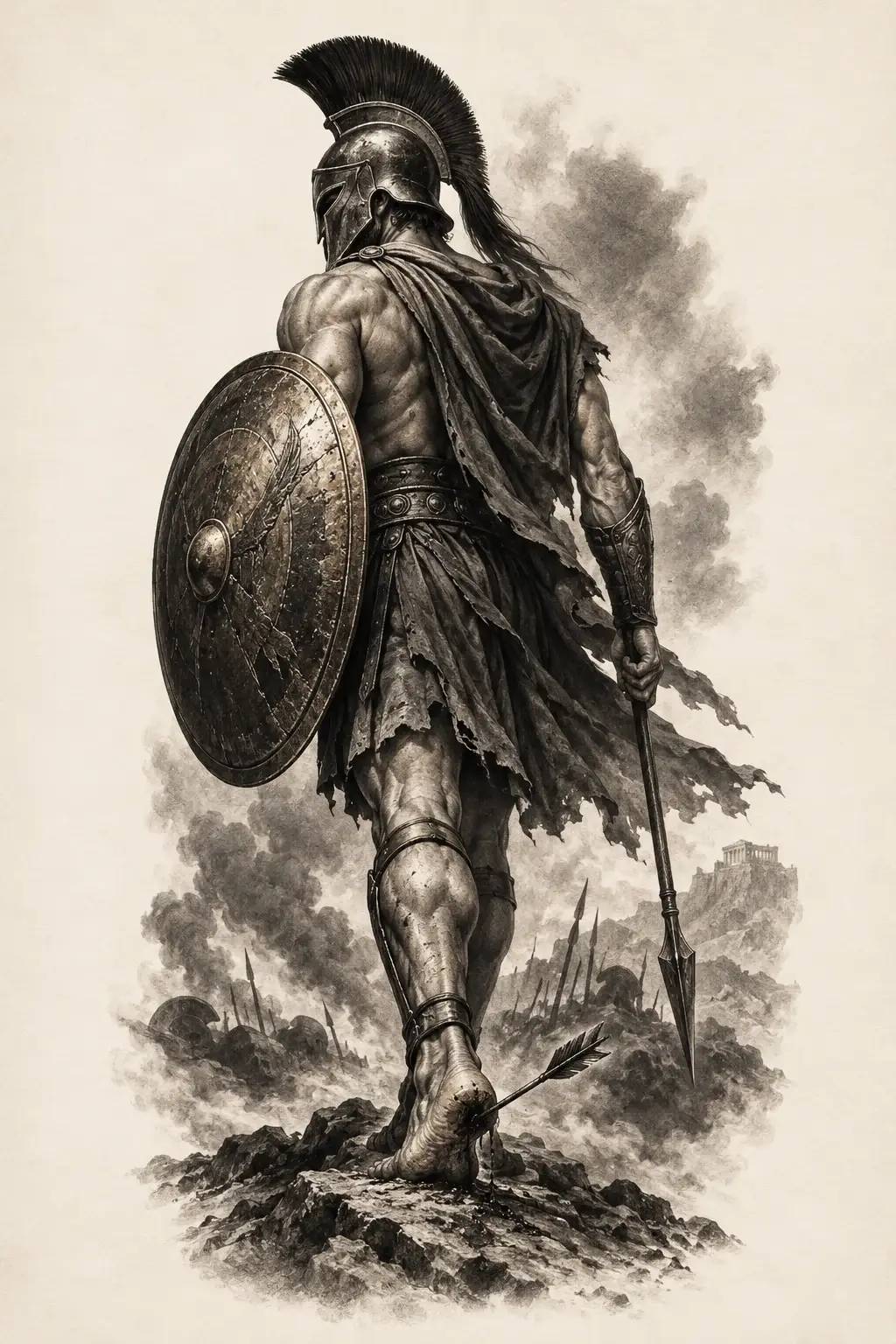
First decide if you want the film look or the historical one. Both are valid, but they are different designs. The 300 style means dramatic muscles, capes and smoke. A historical piece means armor, a vase-style hoplite or the shield on its own.
If you add Greek text, get it checked. Molon labe is written ΜΟΛΩΝ ΛΑΒΕ in capitals, and a single wrong letter is a common and permanent mistake. “With it or on it” in Greek capitals is Η ΤΑΝ Η ΕΠΙ ΤΑΣ (pronounced roughly “ay tan ay epi tas”).
Helmets look best when the artist gets the shape right: long cheek guards, a narrow T-shaped opening for the eyes and mouth, and a crest running front to back. Ask for reference photos of real Corinthian helmets from museum collections rather than film props.
Spartan tattoo design ideas
Corinthian helmet
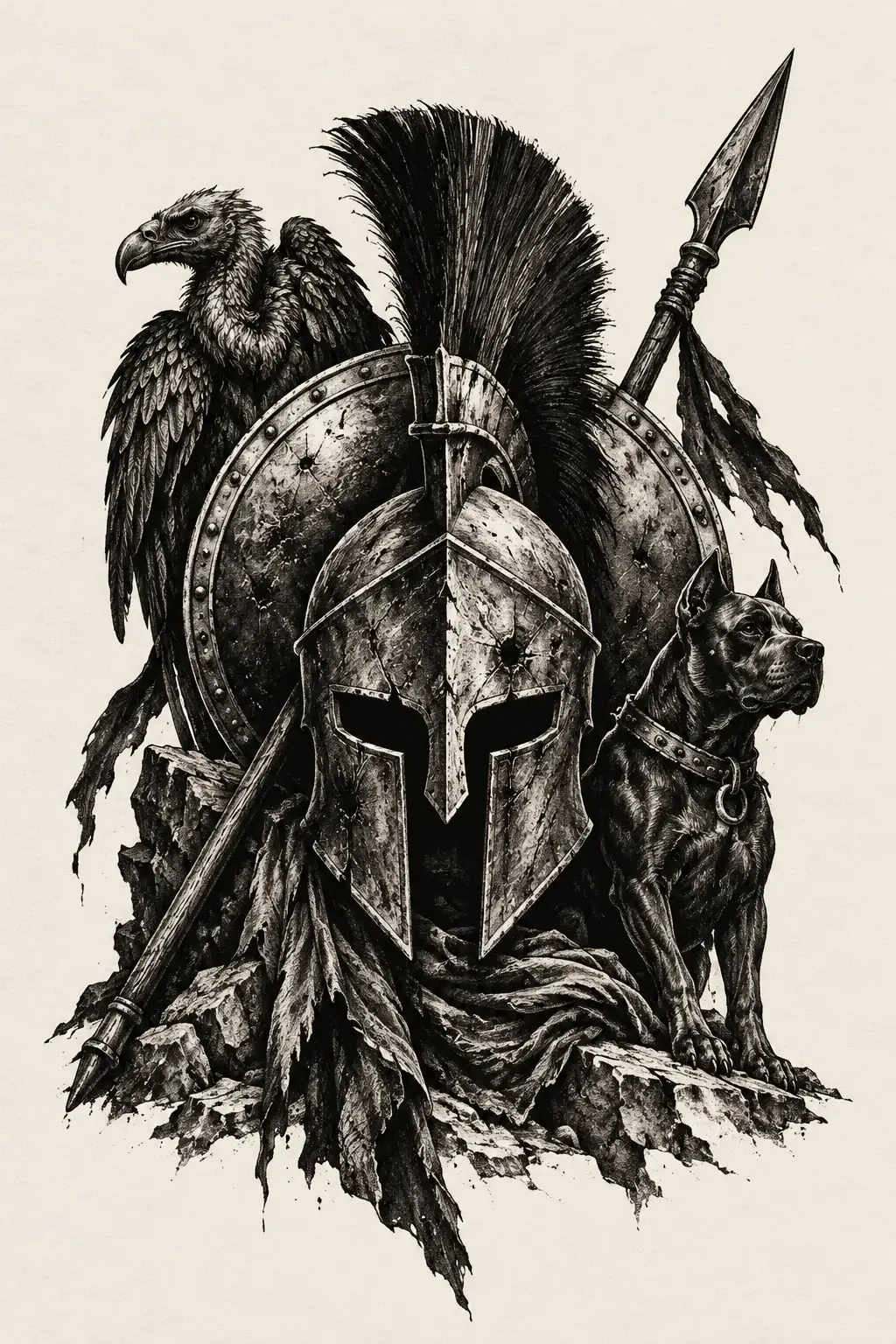
The bronze helmet with narrow eye slits, cheek guards and a tall horsehair crest is the most recognized Spartan symbol. Shown straight on, it is symmetrical, bold and works at almost any size.
Helmet and lambda shield
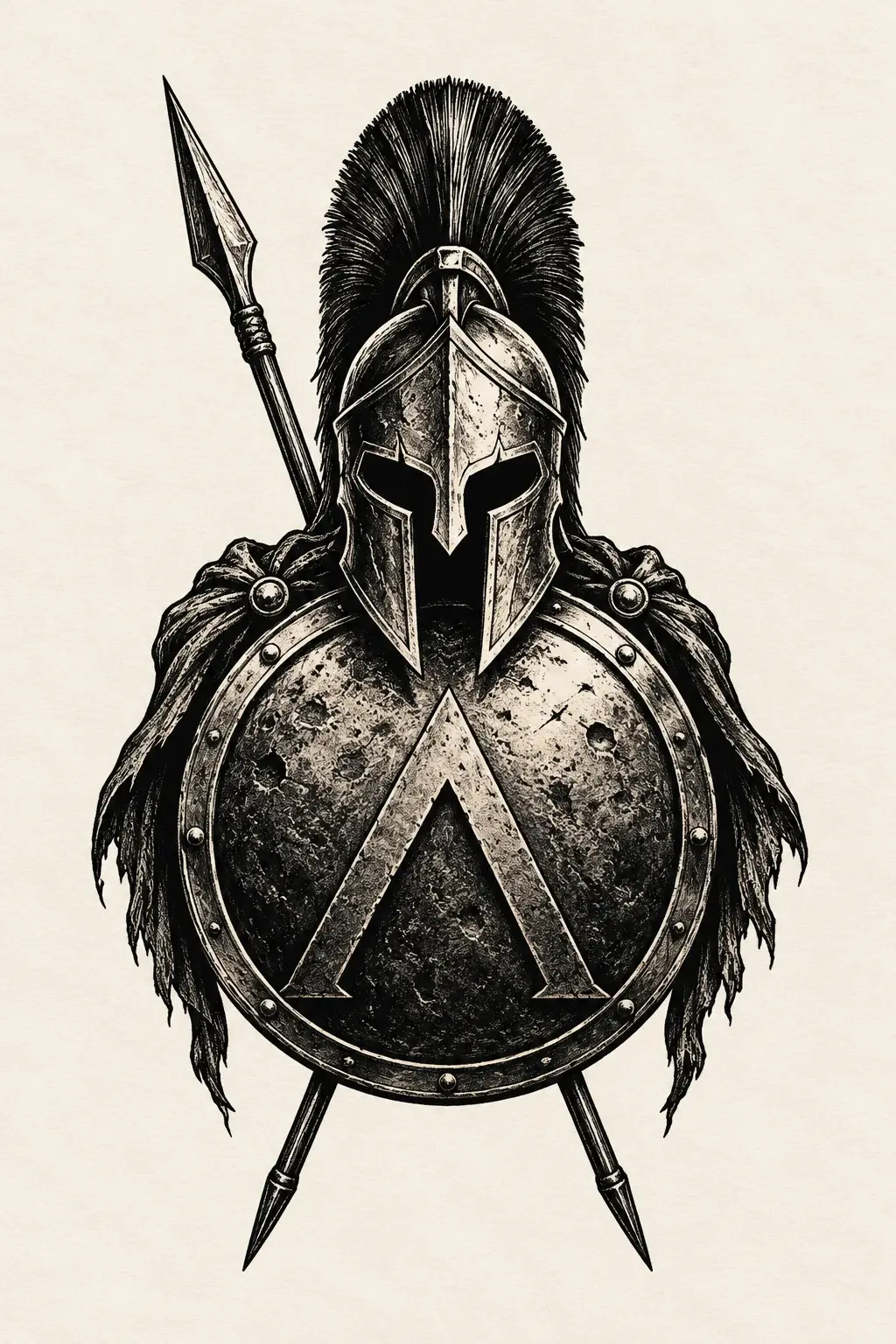
The helmet layered over a round shield marked with the Greek letter lambda (Λ), sometimes with a spear behind. It is the complete Spartan emblem and suits the chest, shoulder or upper arm.
Molon labe
The phrase ΜΟΛΩΝ ΛΑΒΕ (Come and take them) in Greek capitals, alone or wrapped around a helmet. Check the spelling carefully with your artist, since the Greek letters are easy to get wrong.
Thermopylae scene
A wall of shields in a narrow pass, or a lone hoplite facing an army. Good for large back or sleeve projects that tell the story rather than show a symbol.
Minimal lambda or spear
A single lambda, a small helmet outline or a spear and shield silhouette. Discreet but clear to anyone who knows the history.
Best placements for a Spartan tattoo
- Chest
- A helmet over the heart or a shield across the chest has a natural armor feel, which is why it is one of the top choices for this design.
- Upper arm or shoulder
- The rounded shoulder fits a shield perfectly, and a helmet on the outer arm is easy to show off or cover.
- Forearm
- Good for a helmet with a spear running down toward the wrist, or Molon labe written along the arm.
- Back
- Room for a full hoplite, a phalanx of shields or a Thermopylae battle scene.
Styles that suit Spartan
- Blackwork
- Solid black helmets and shields with sharp negative-space highlights are bold, clean and age very well.
- Black and grey realism
- Brings out the hammered bronze, dents and battle wear on a helmet. Often combined with a gritty, smoky background.
- Red-figure (Greek vase)
- Hoplites in terracotta on black, the way Greek artists actually painted soldiers. A good way to move away from the film look toward something historical.
- Minimalist
- Clean outlines of the helmet or lambda for a small tattoo on the wrist, finger or behind the ear.
34 more Spartan tattoo designs
Different styles and placements to show your tattoo artist.
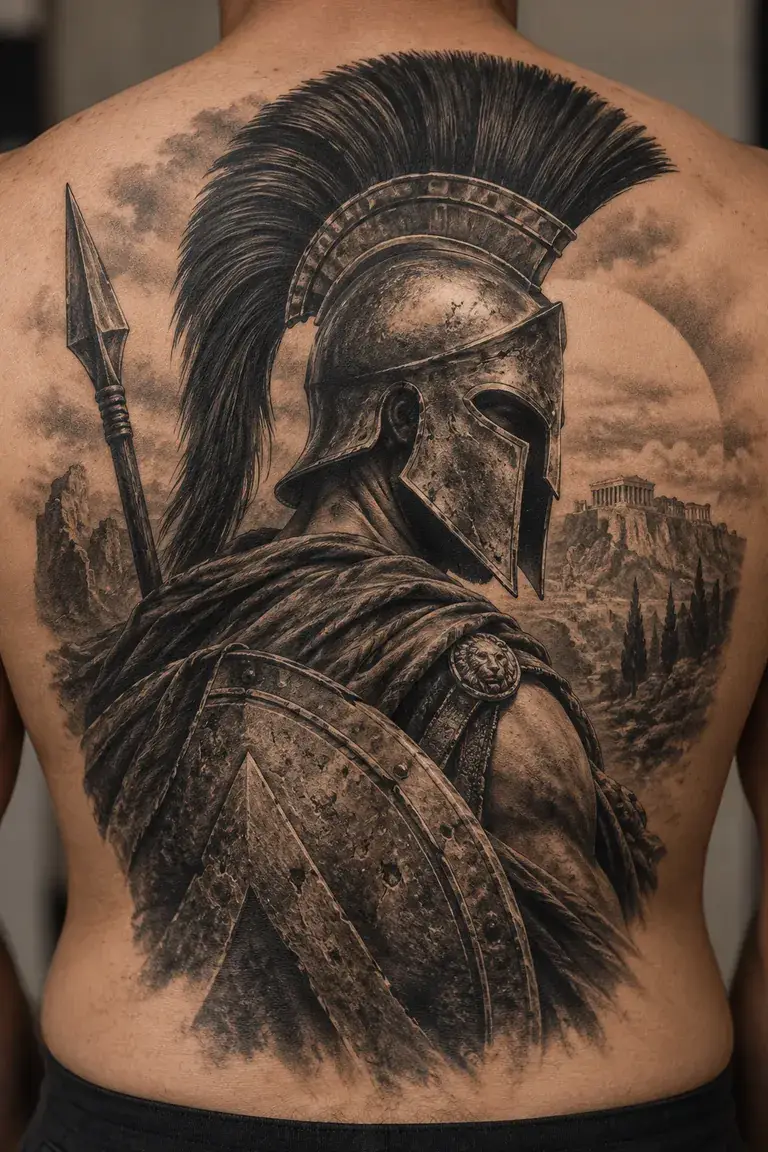
Black and grey realism, Back
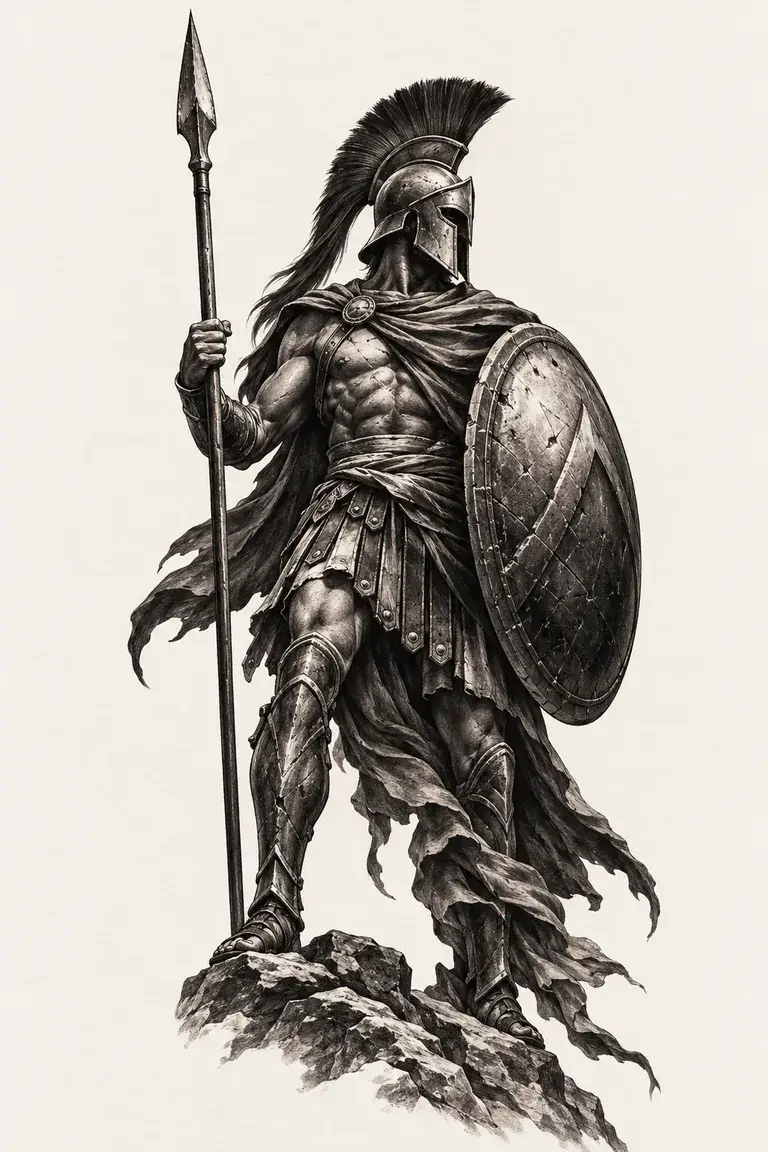
Black and grey realism, Ribs
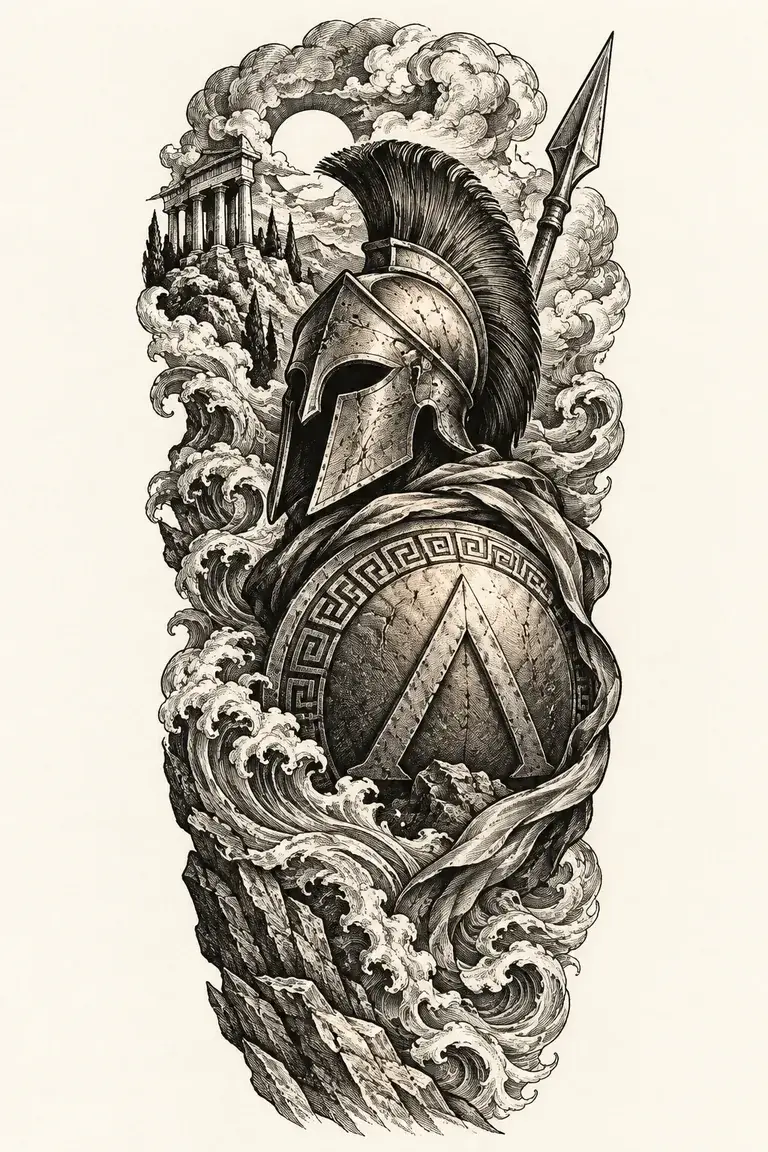
Engraving, Sleeve
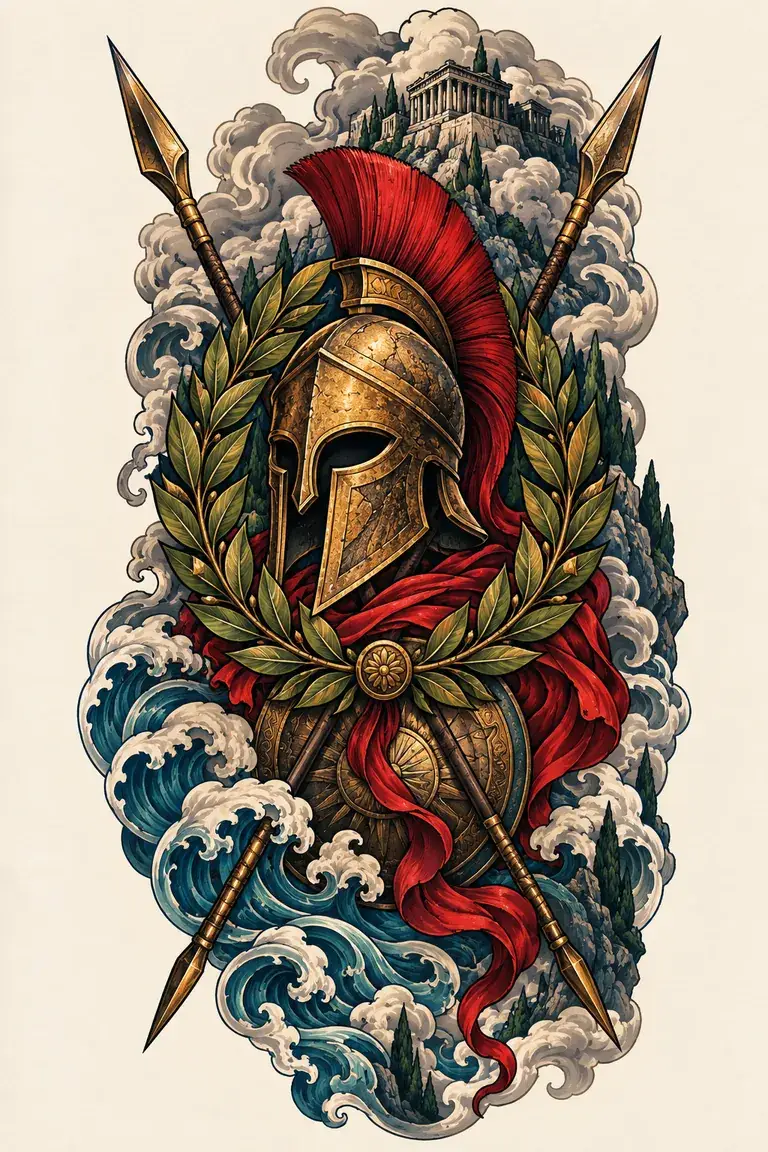
Neo-traditional, Sleeve
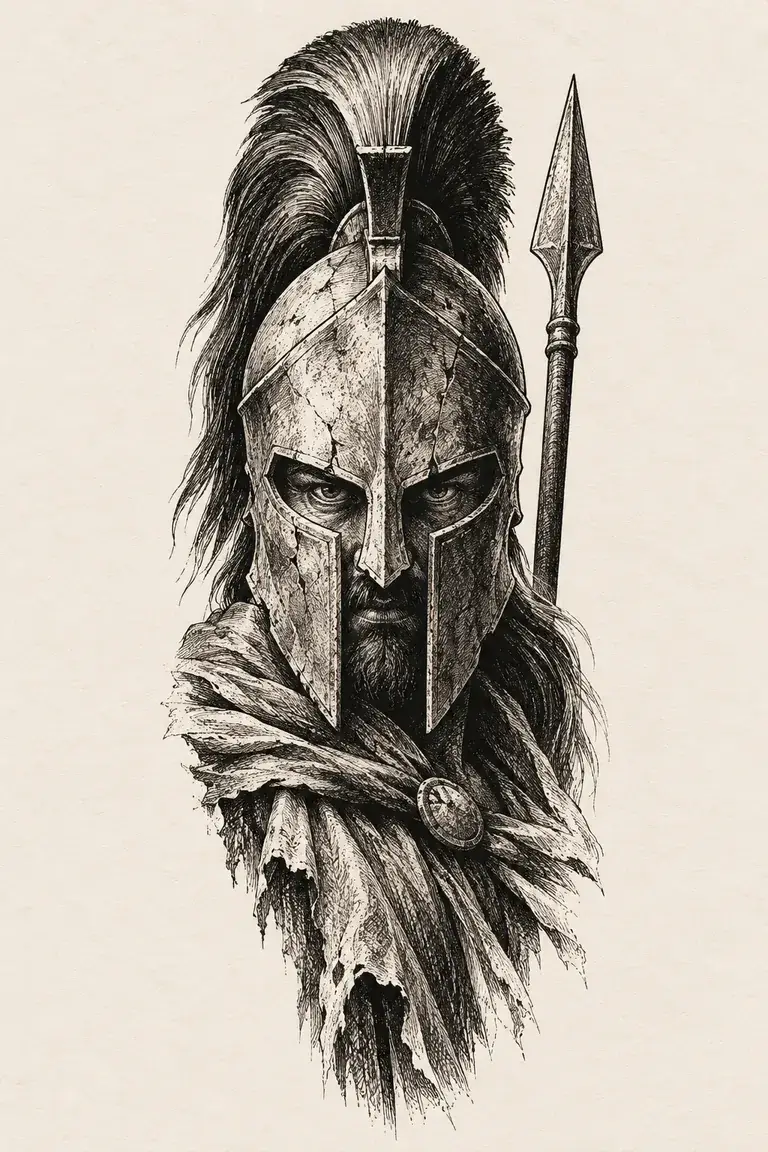
Engraving, Calf
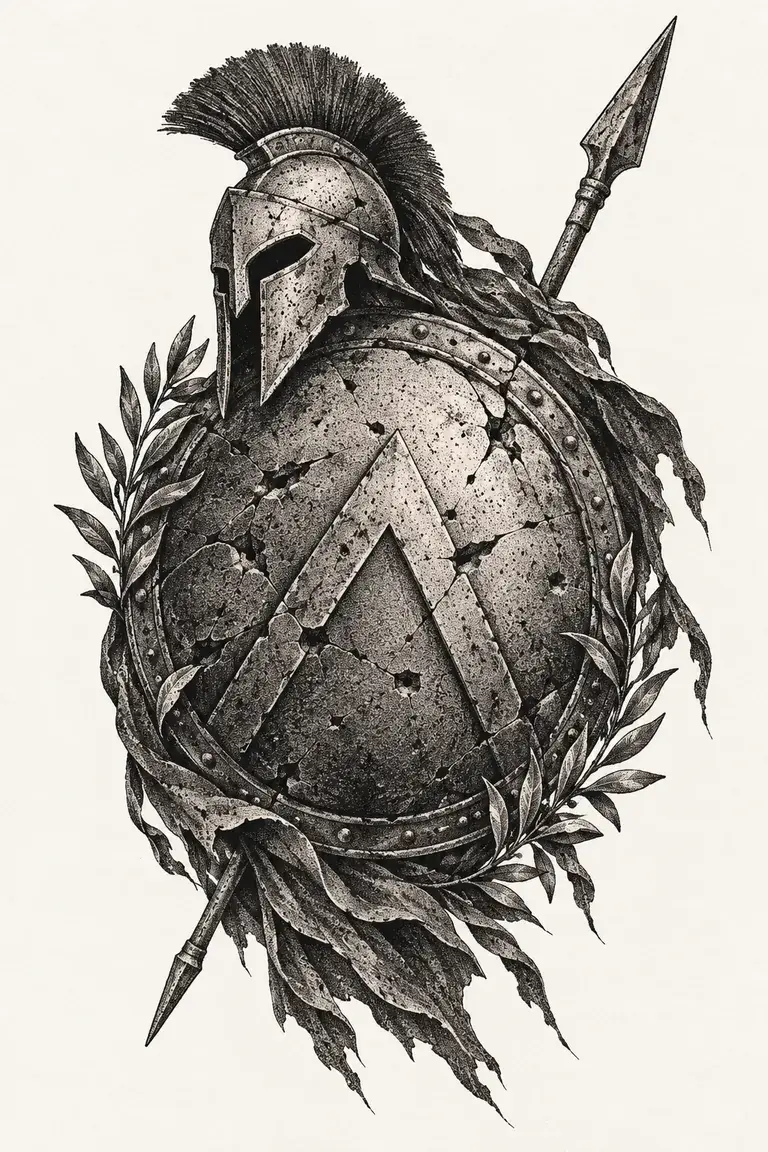
Dotwork, Upper arm
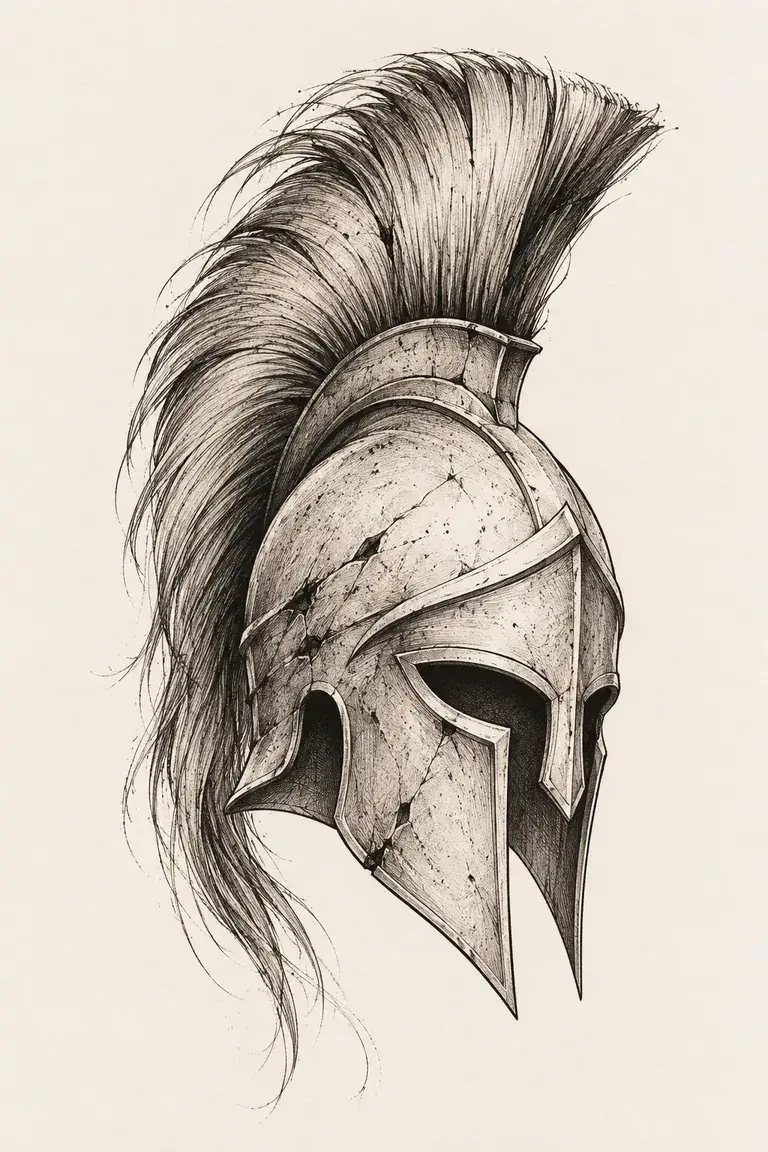
Fine-line, Thigh
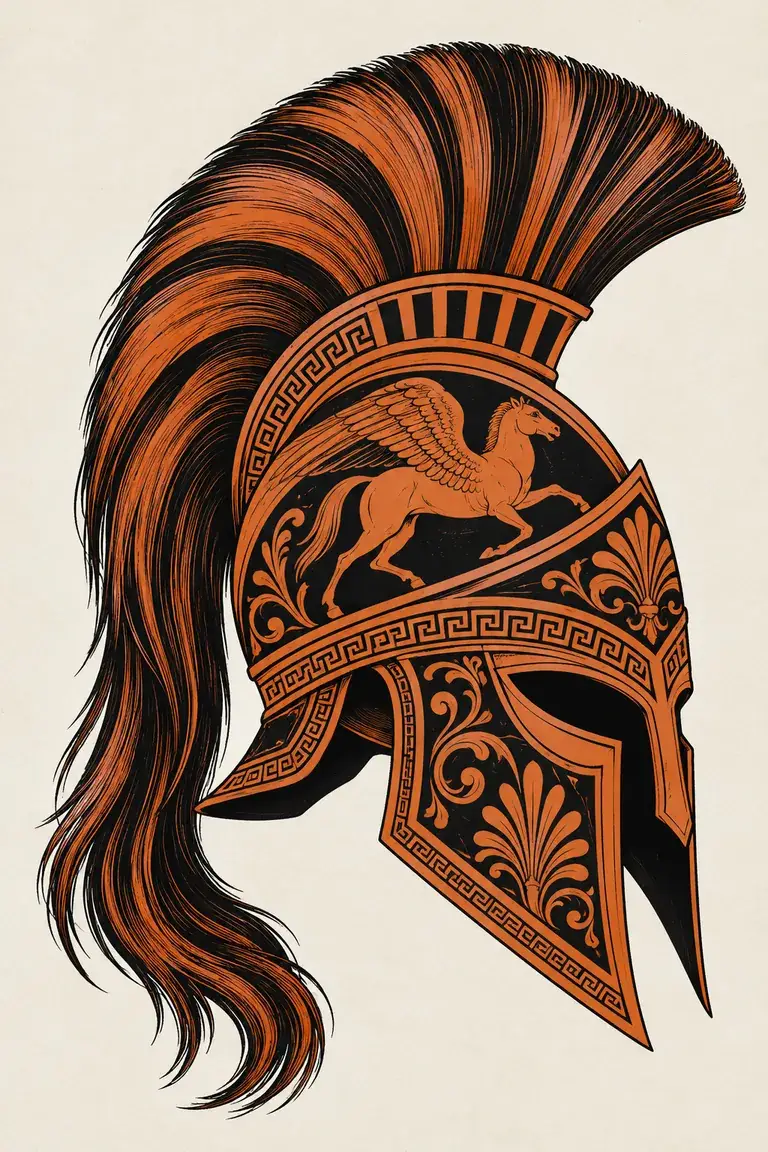
Red-figure (Greek vase), Back
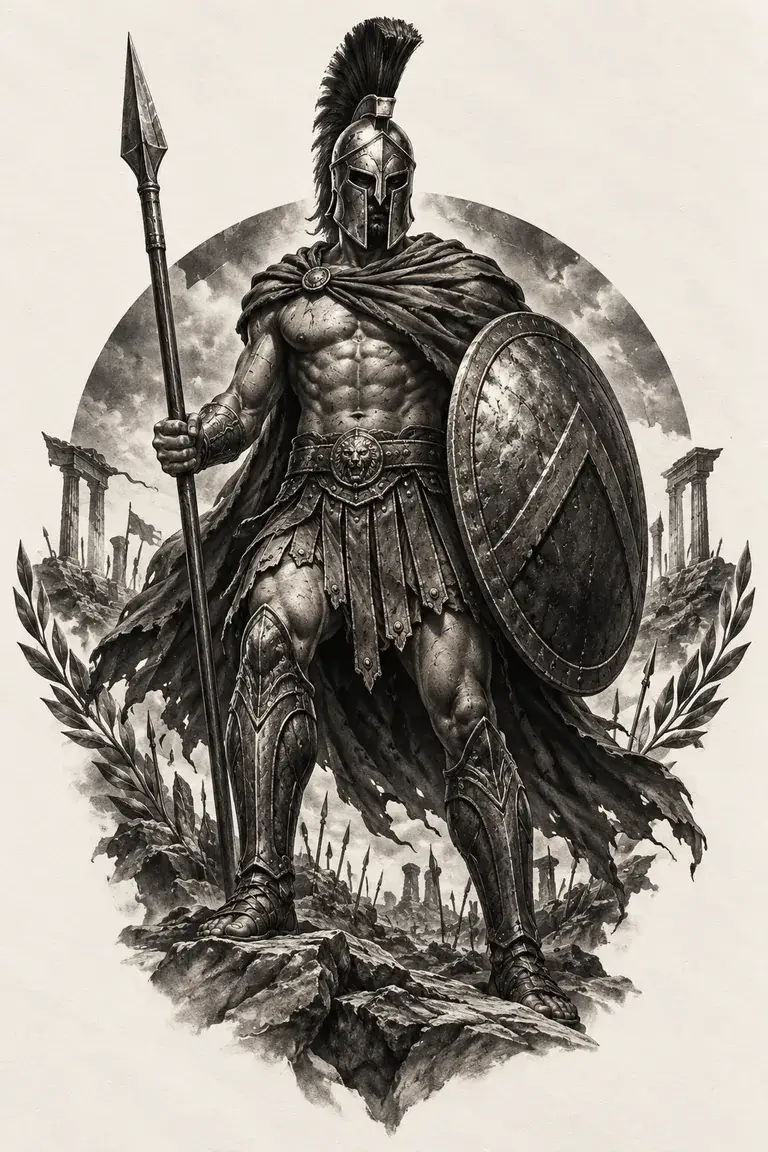
Black and grey realism, Chest
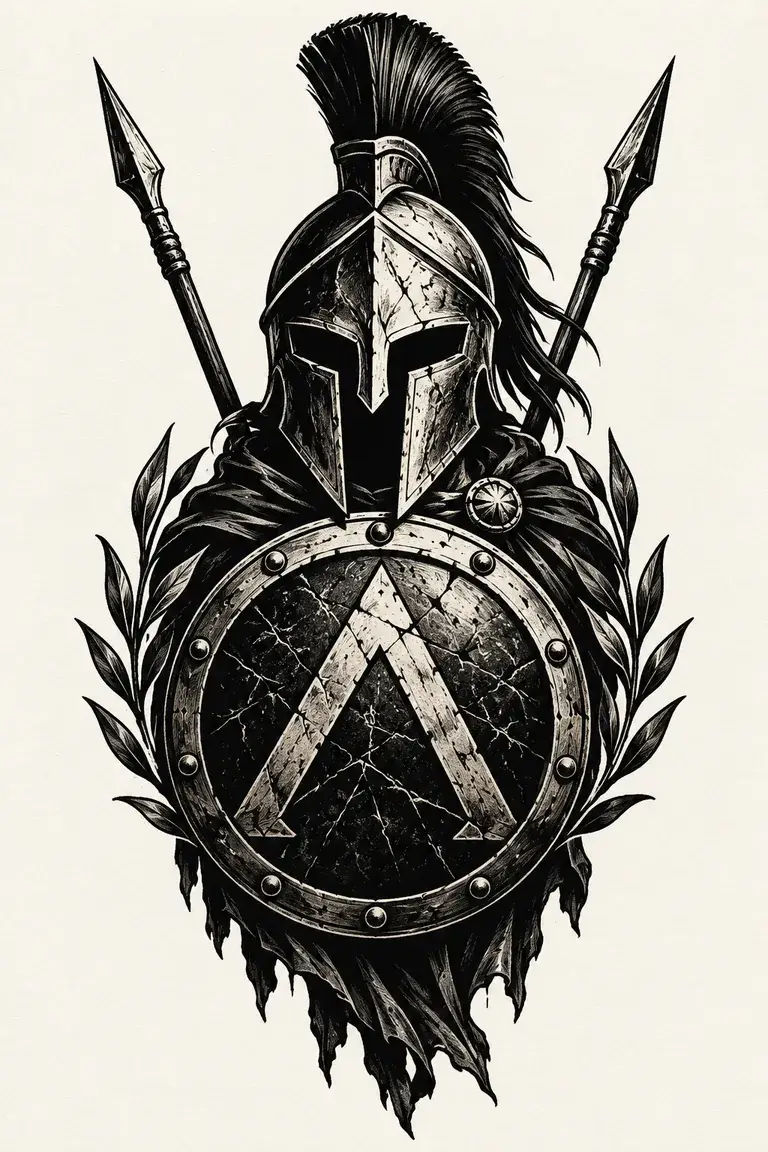
Blackwork, Thigh
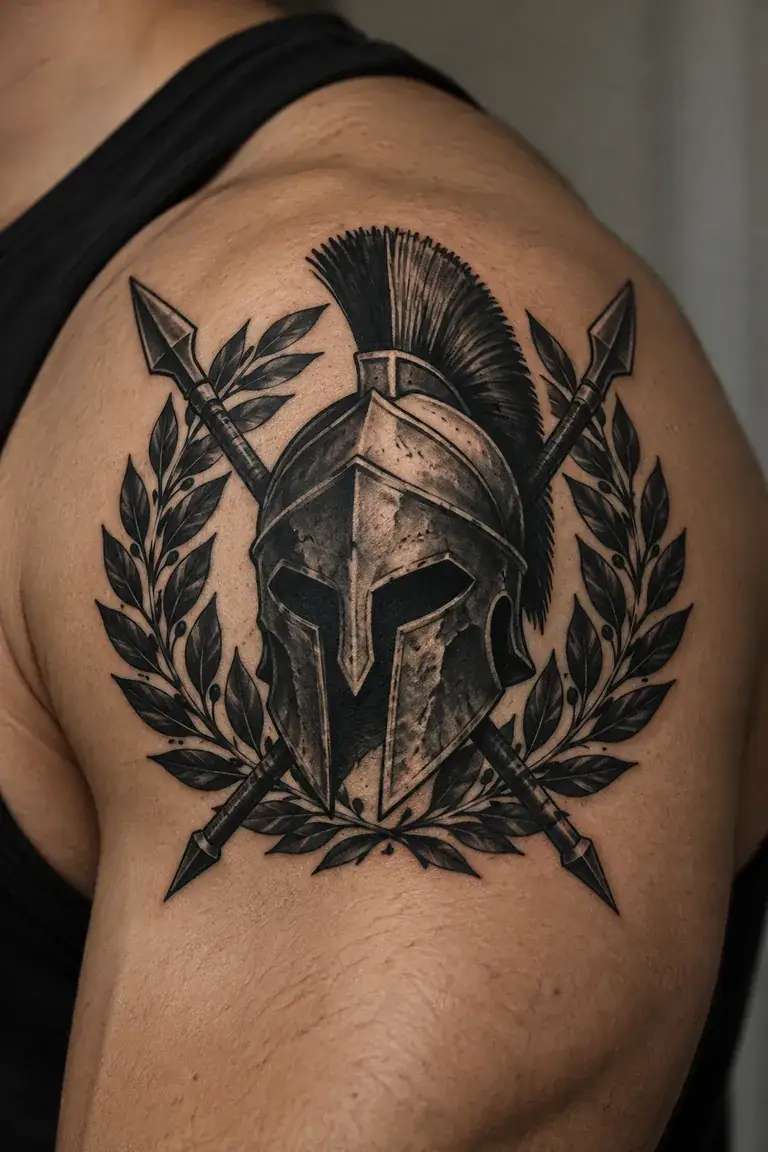
Blackwork, Shoulder
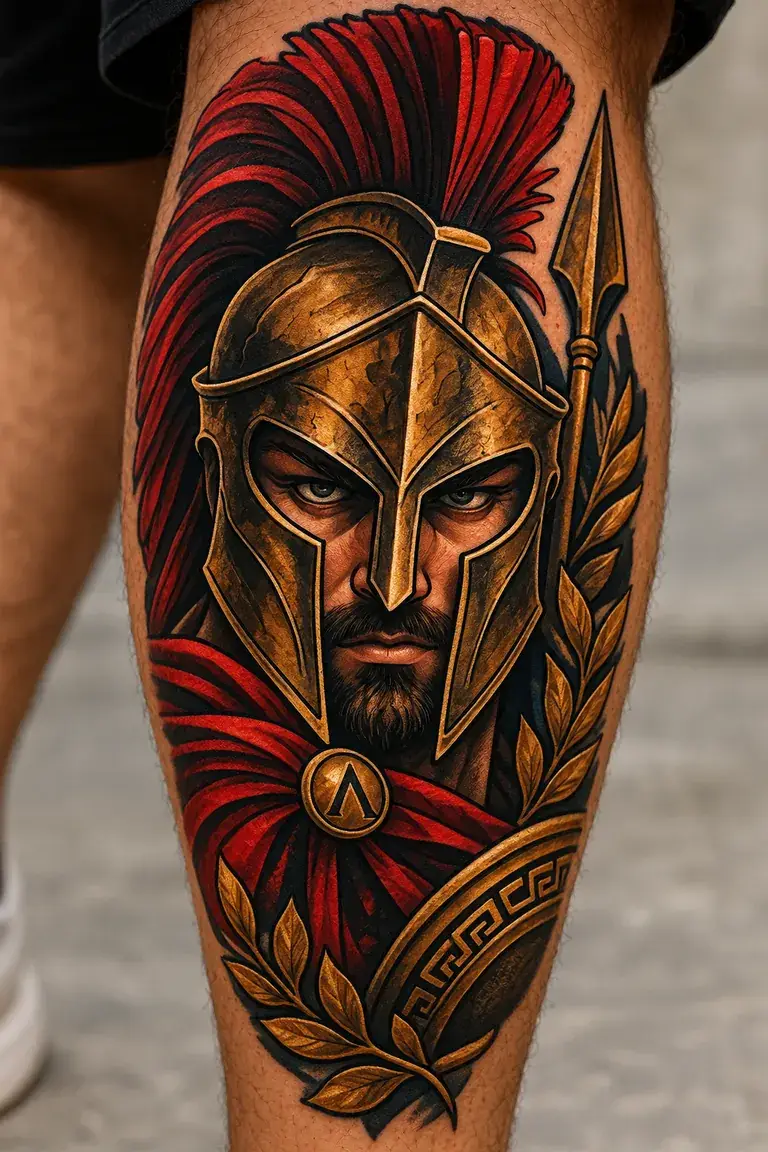
Neo-traditional, Calf
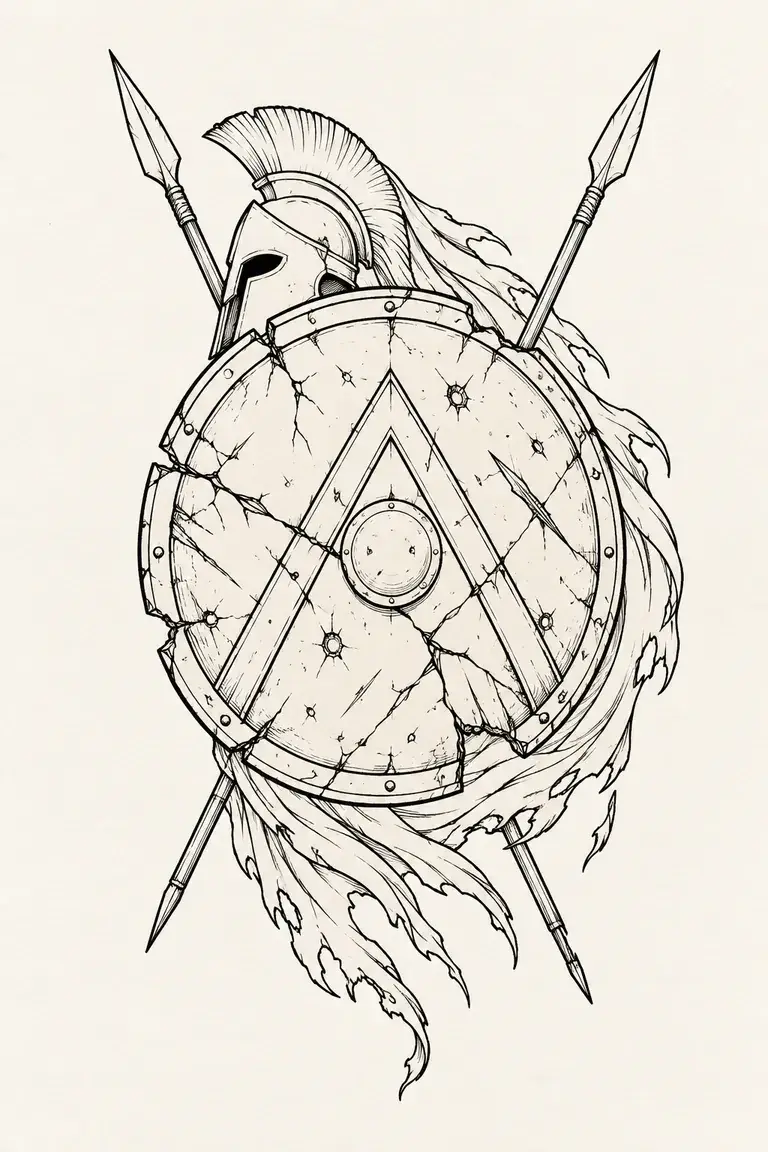
Minimalist, Upper arm
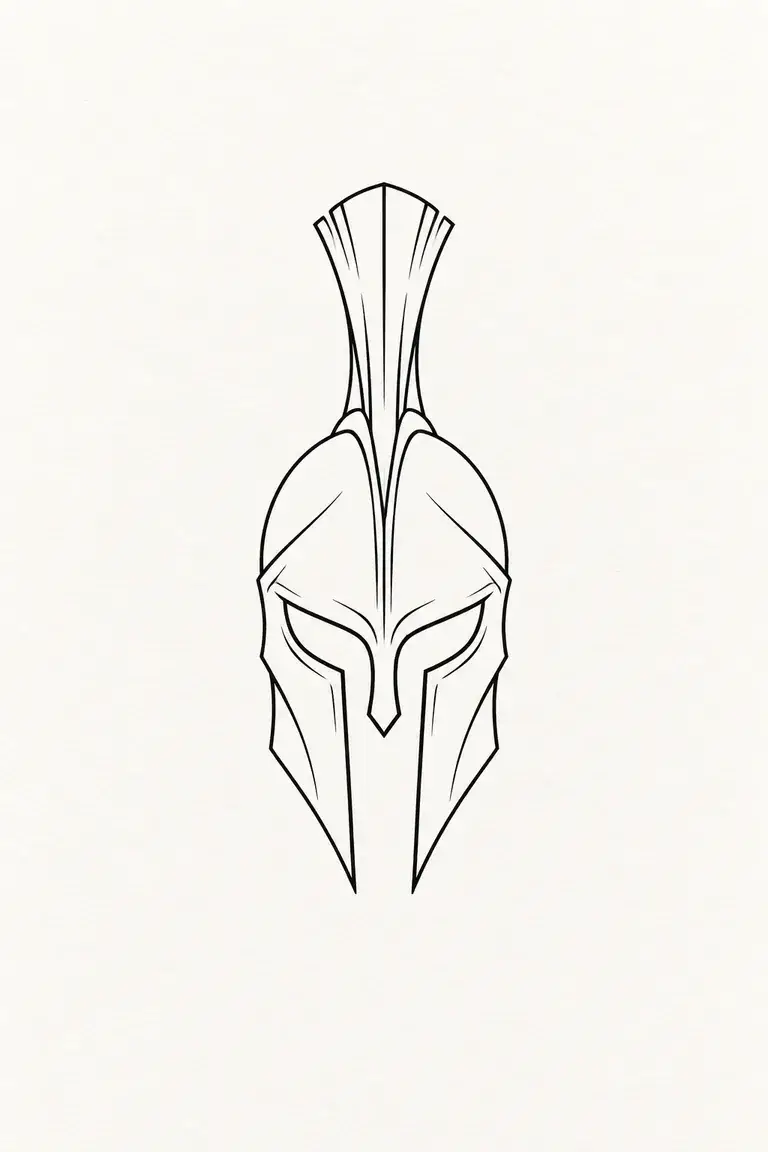
Minimalist, Forearm
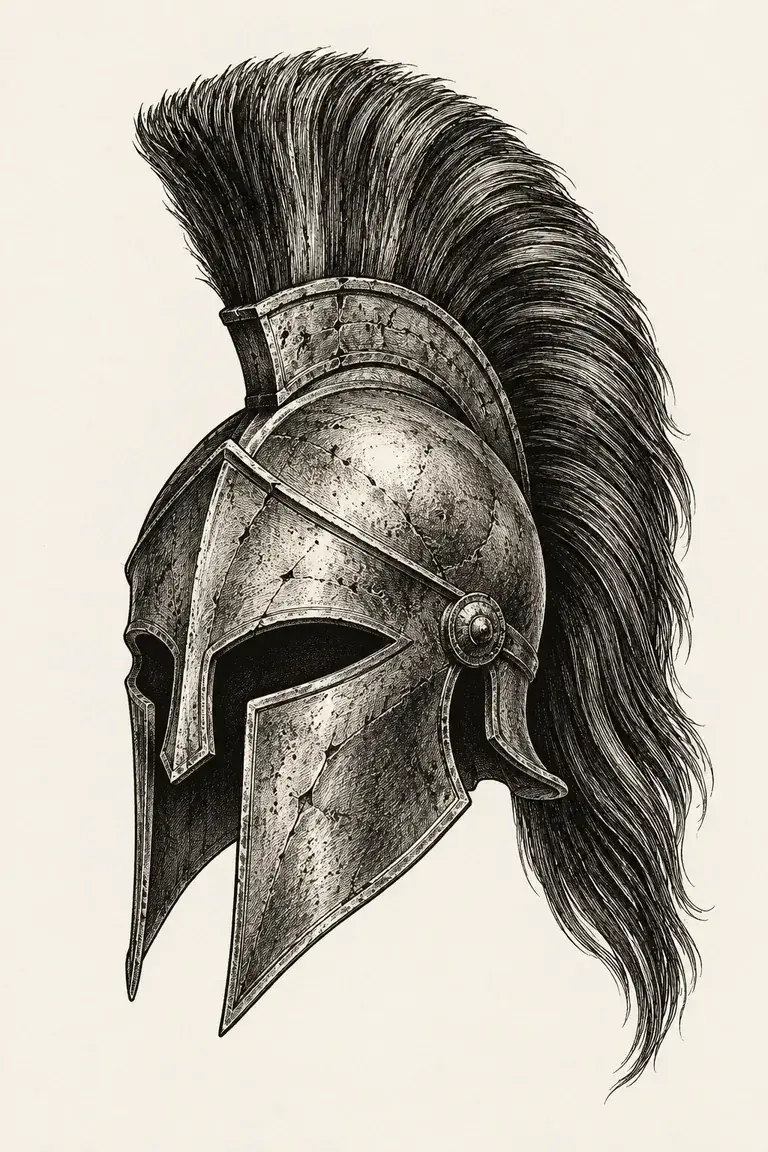
Engraving, Thigh
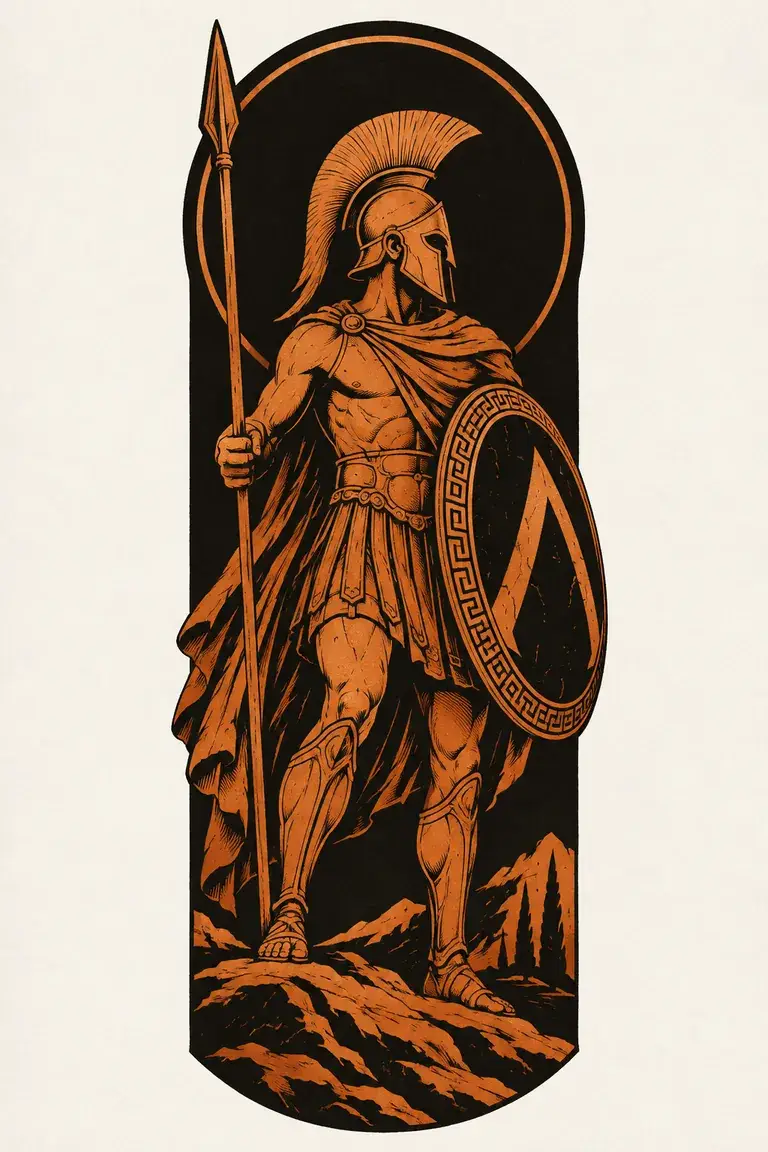
Red-figure (Greek vase), Calf
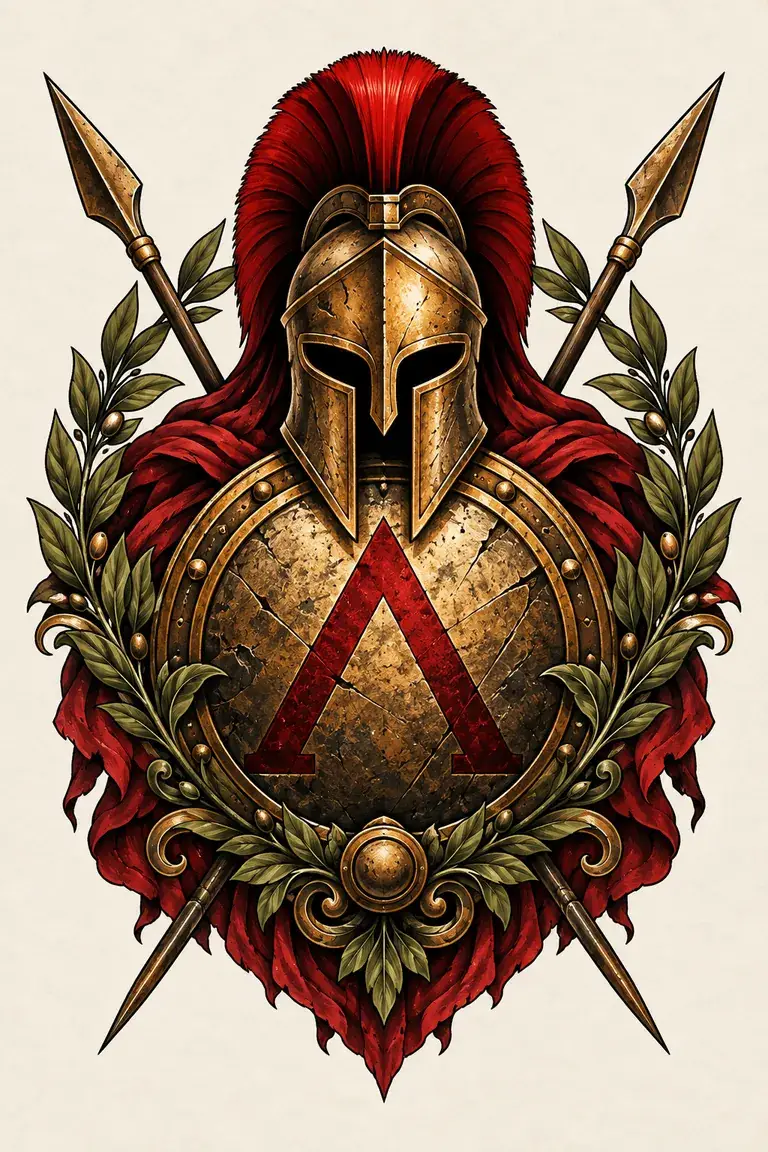
Neo-traditional, Chest
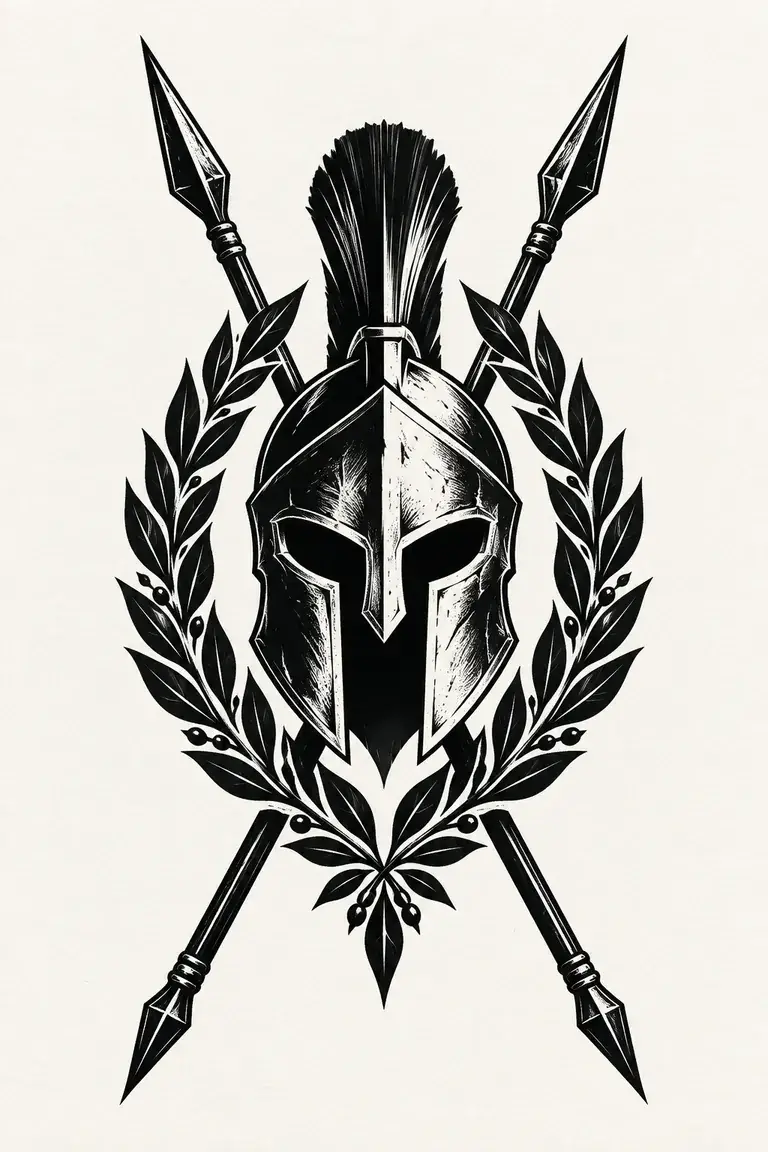
Blackwork, Forearm
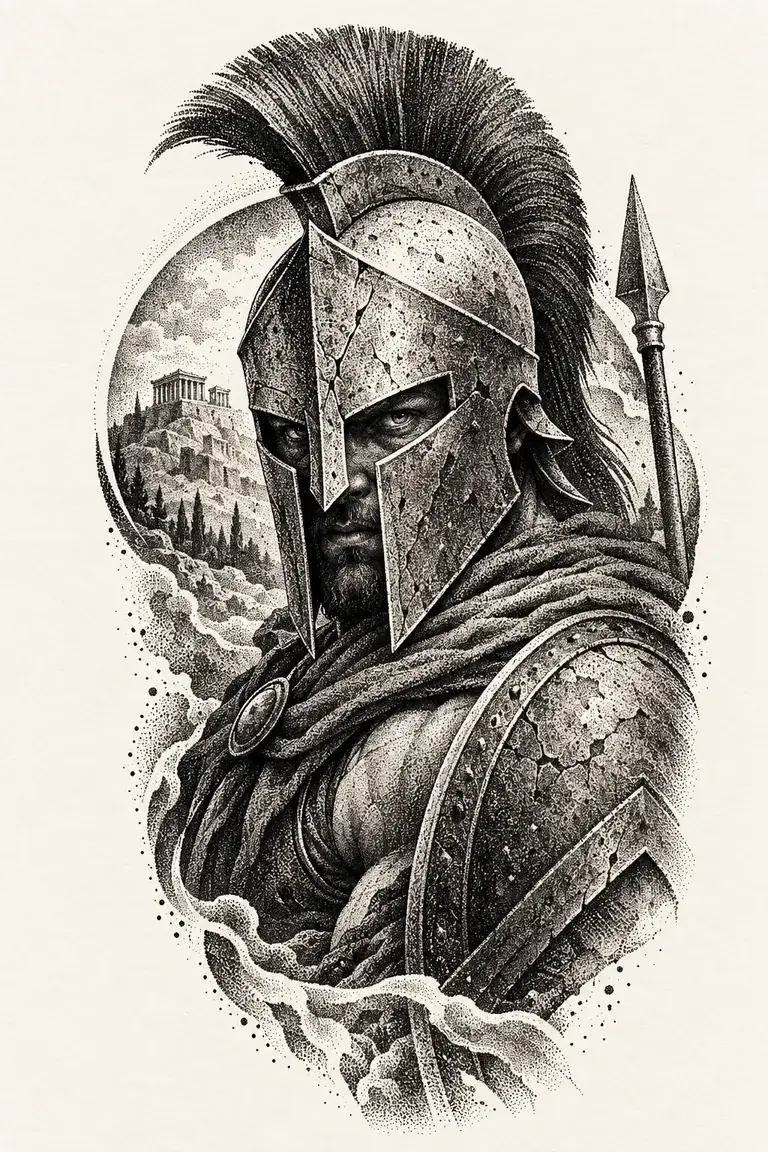
Dotwork, Upper arm
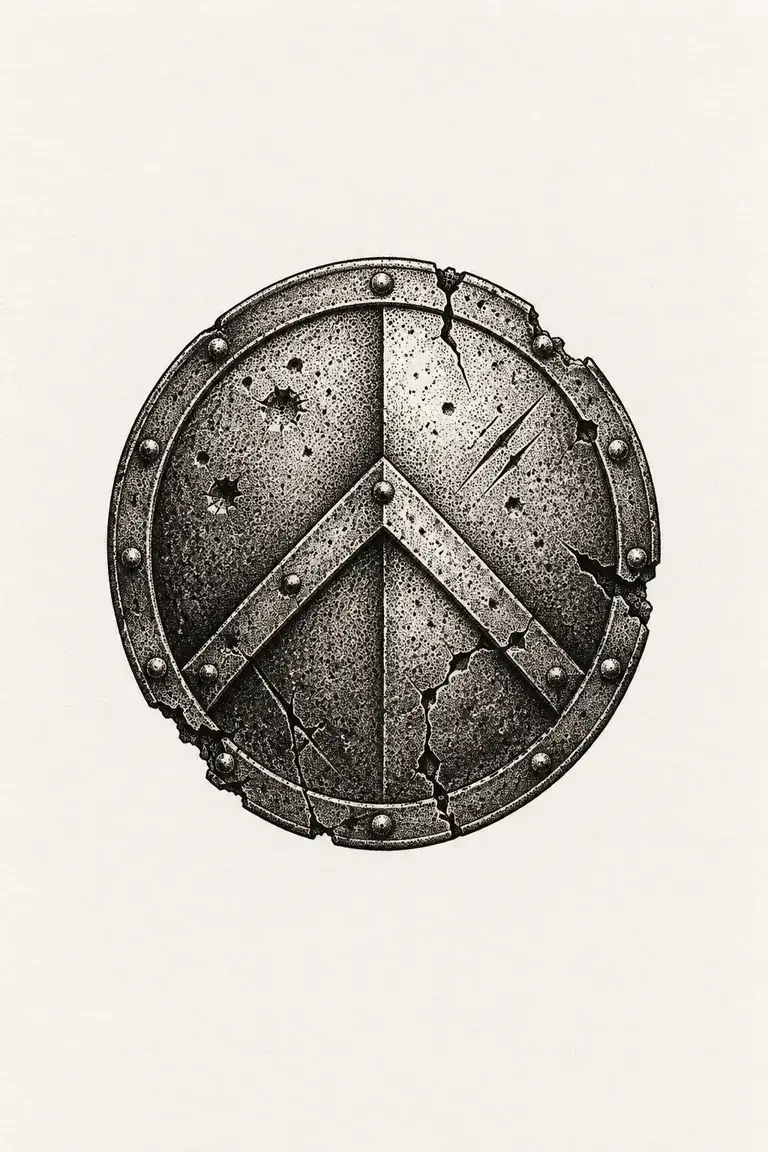
Dotwork, Neck
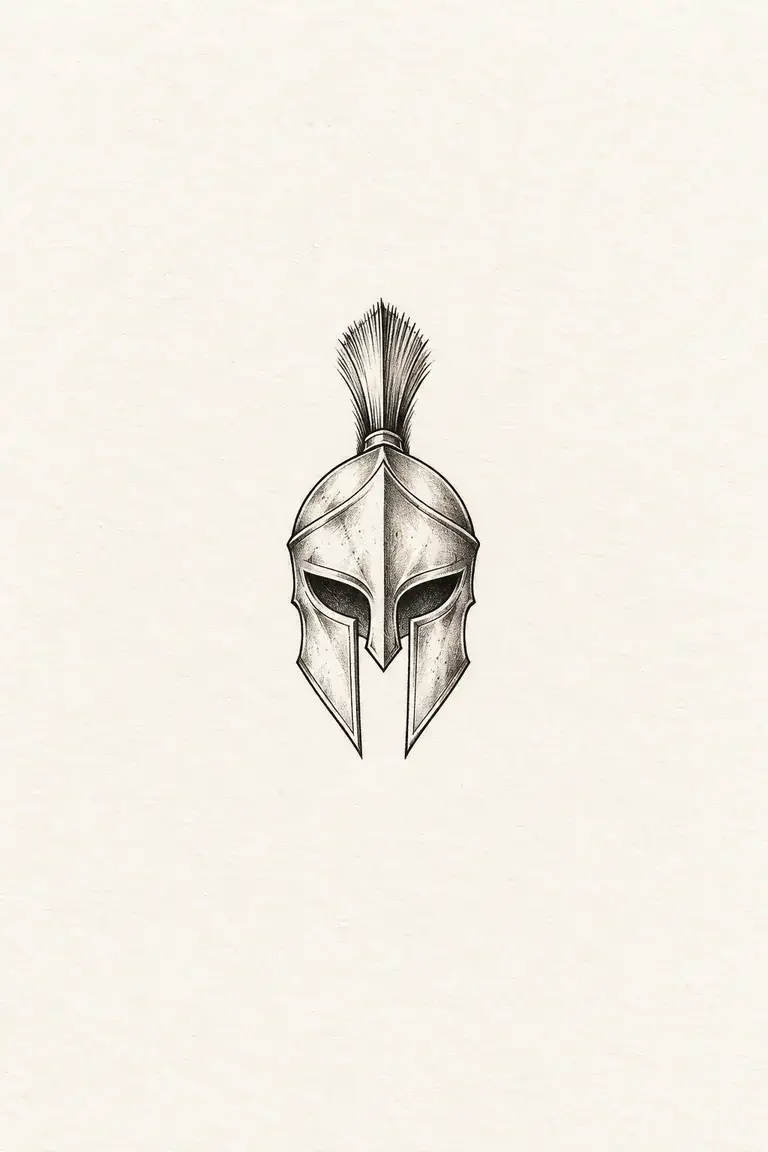
Fine-line, Wrist
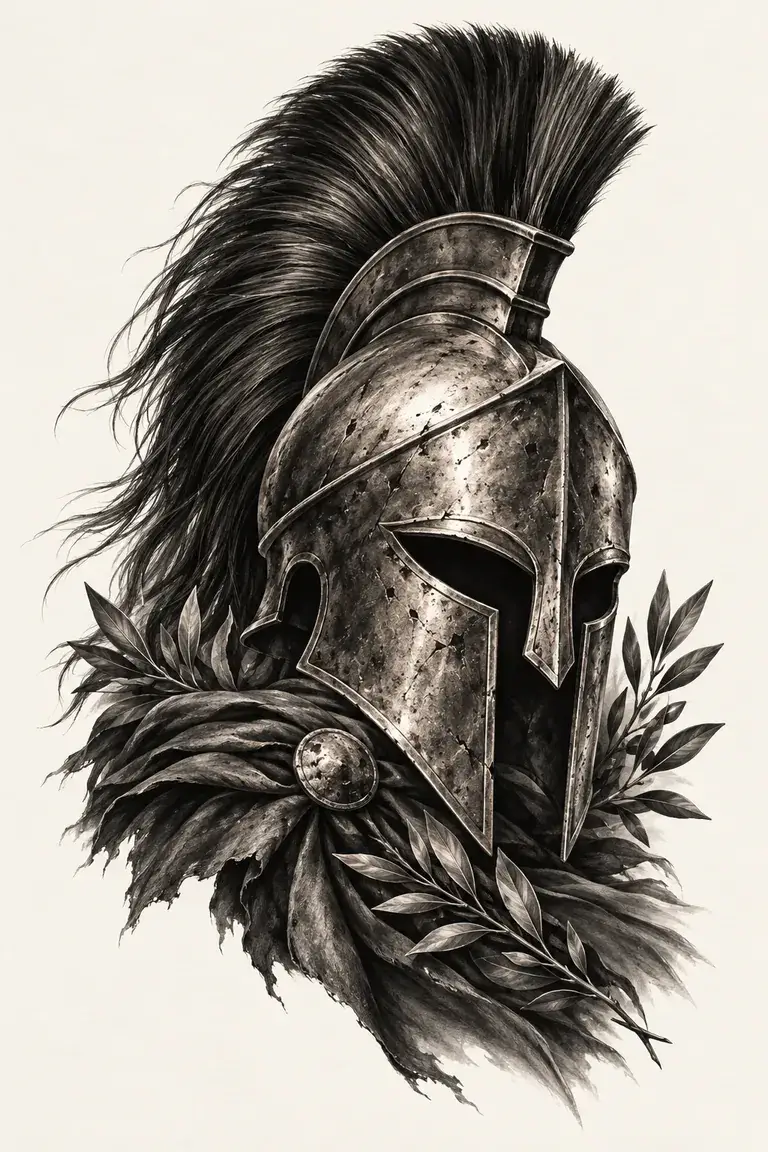
Black and grey realism, Thigh
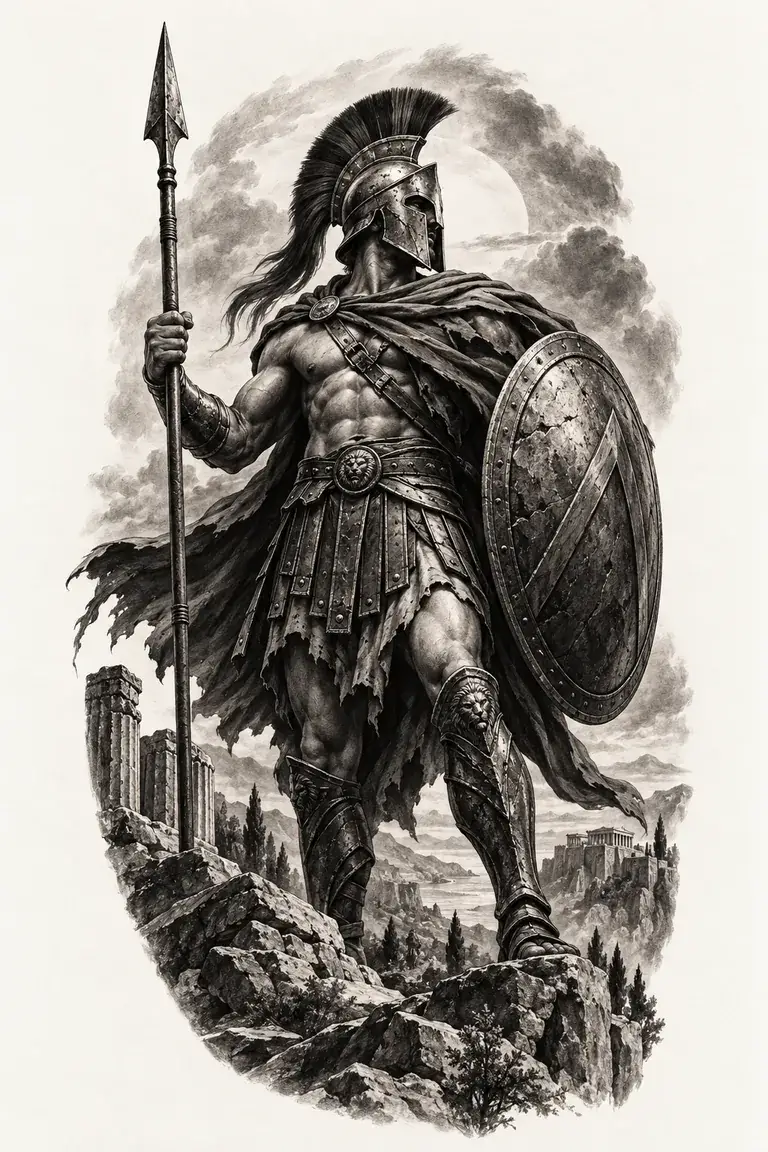
Black and grey realism, Upper arm
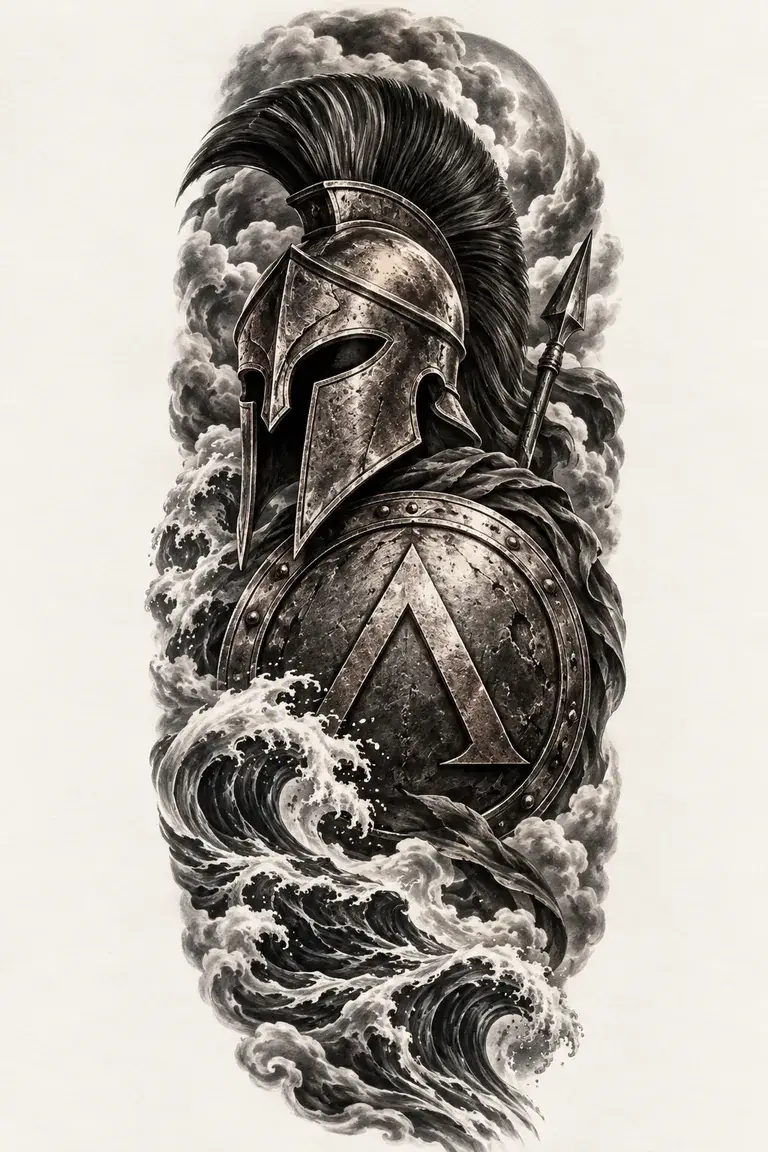
Black and grey realism, Sleeve
Blackwork, Ankle
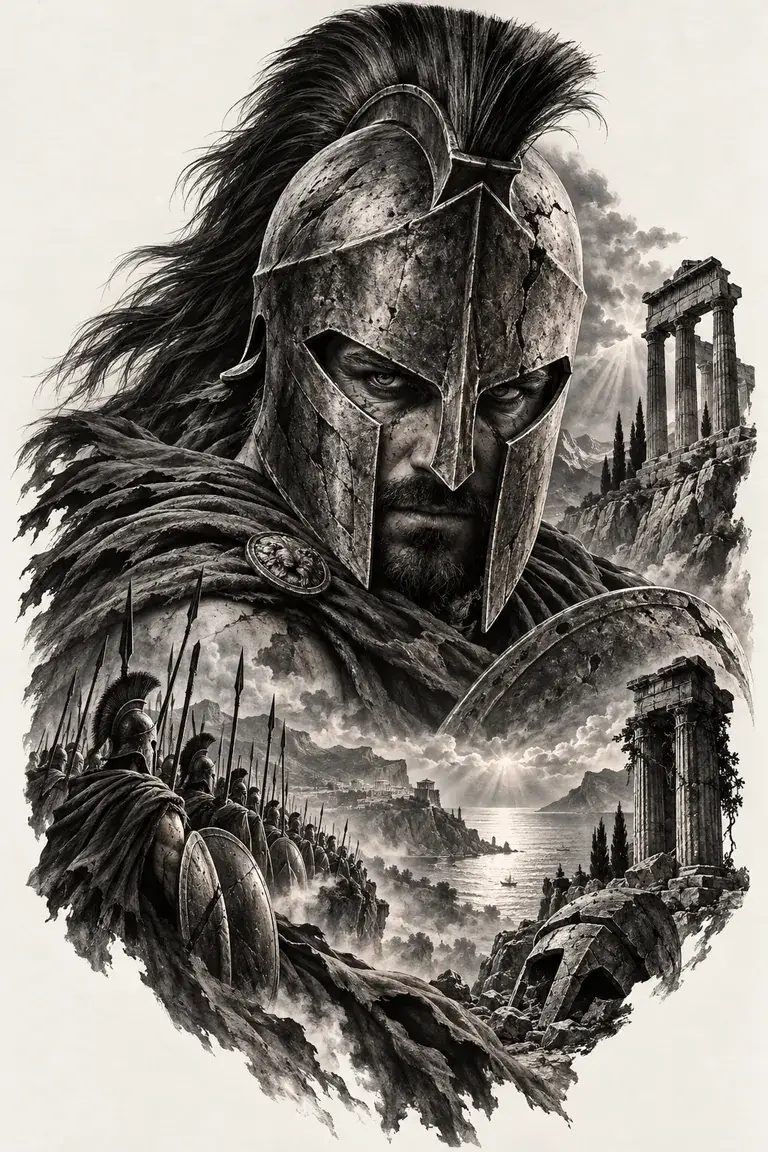
Black and grey realism, Back
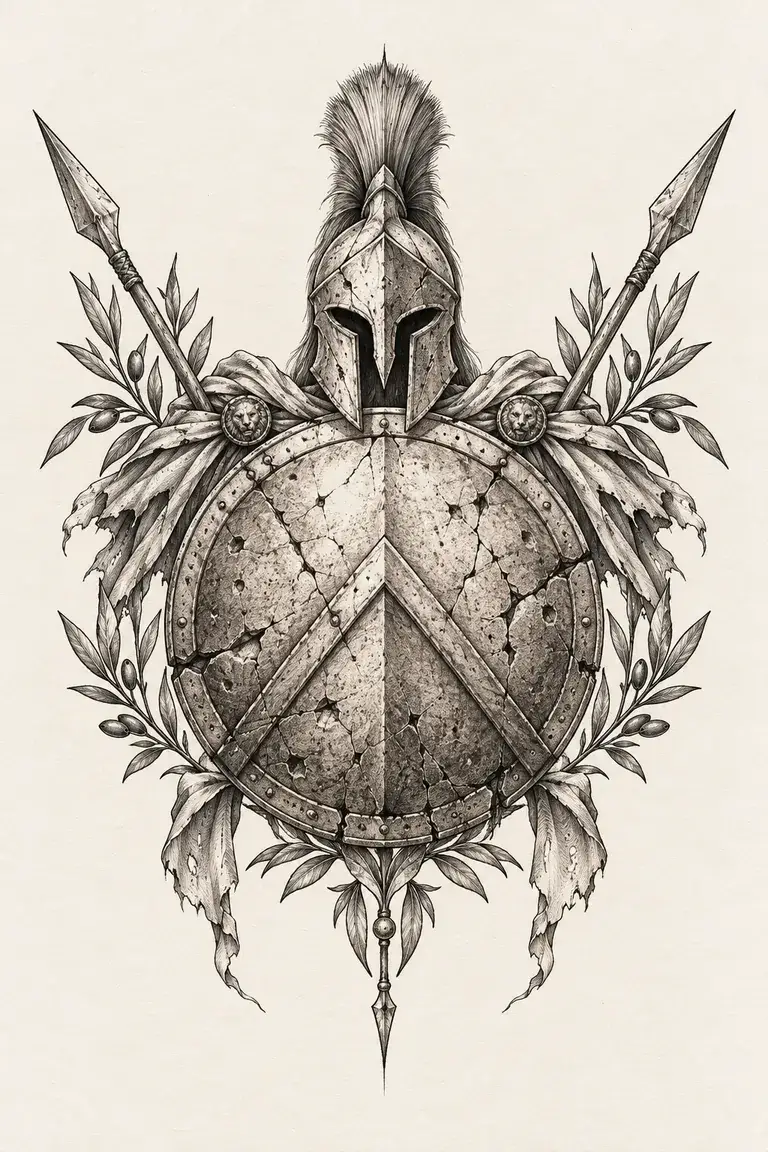
Fine-line, Chest
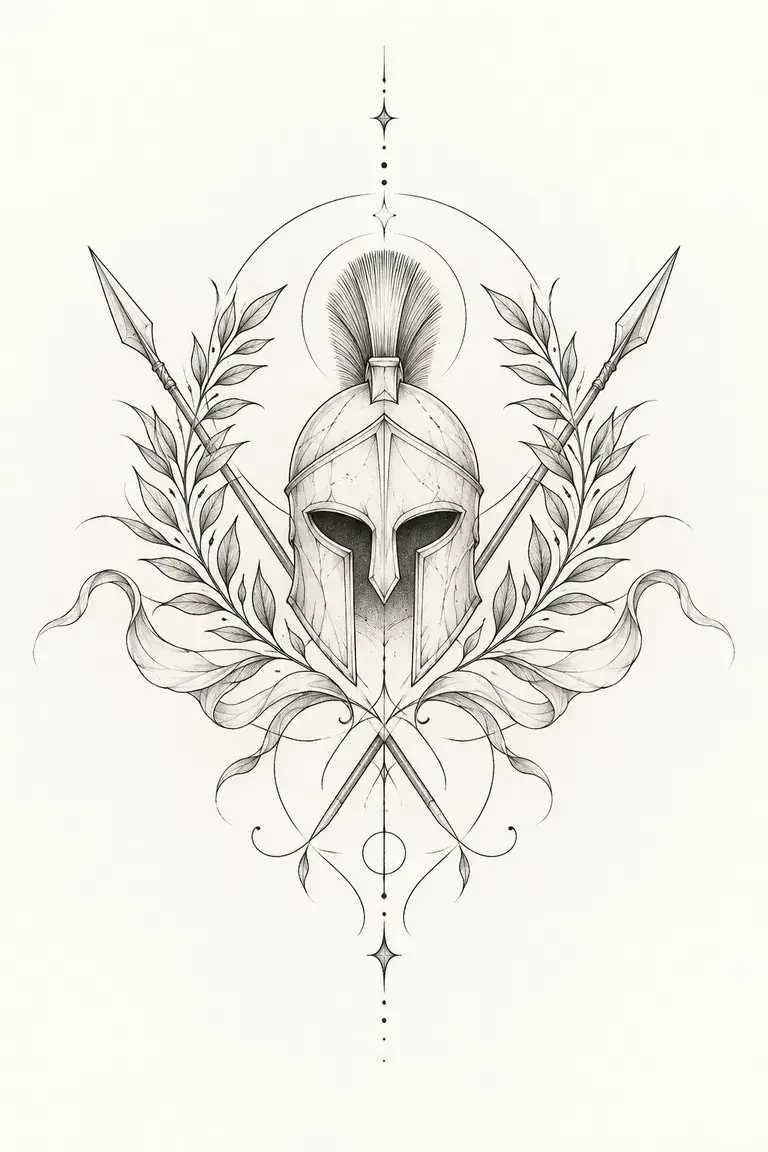
Fine-line, Chest
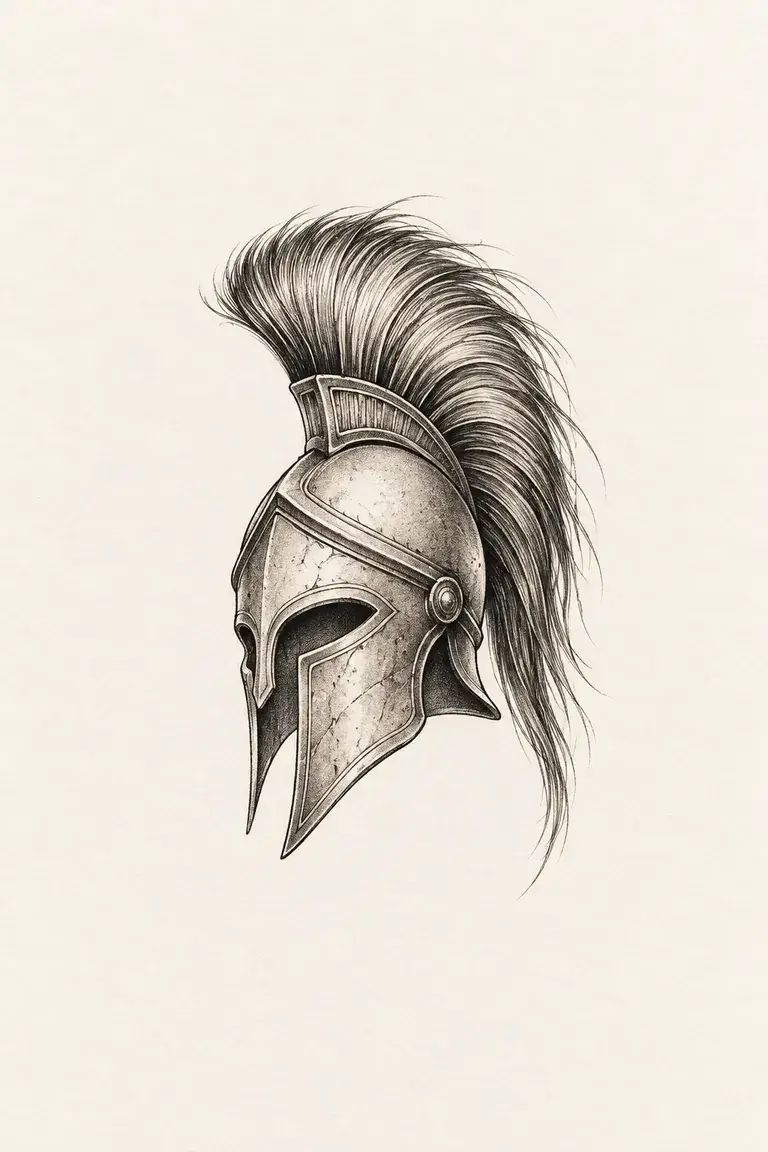
Fine-line, Neck
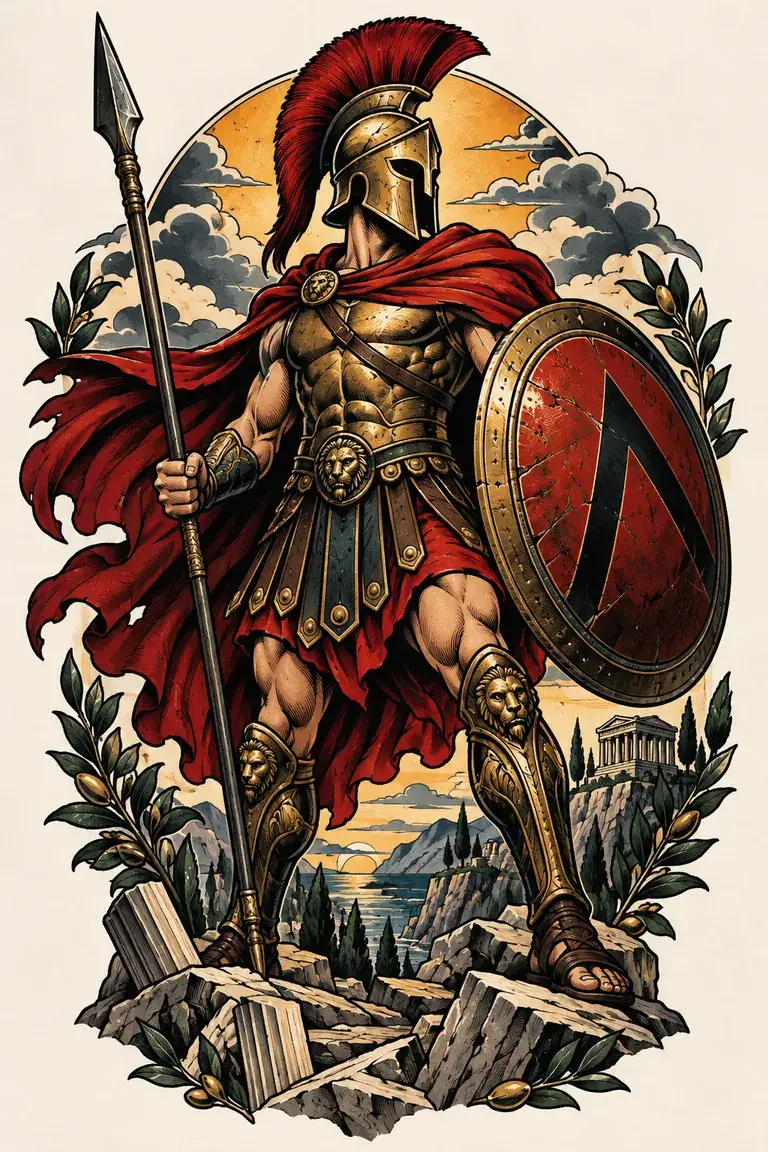
Neo-traditional, Back
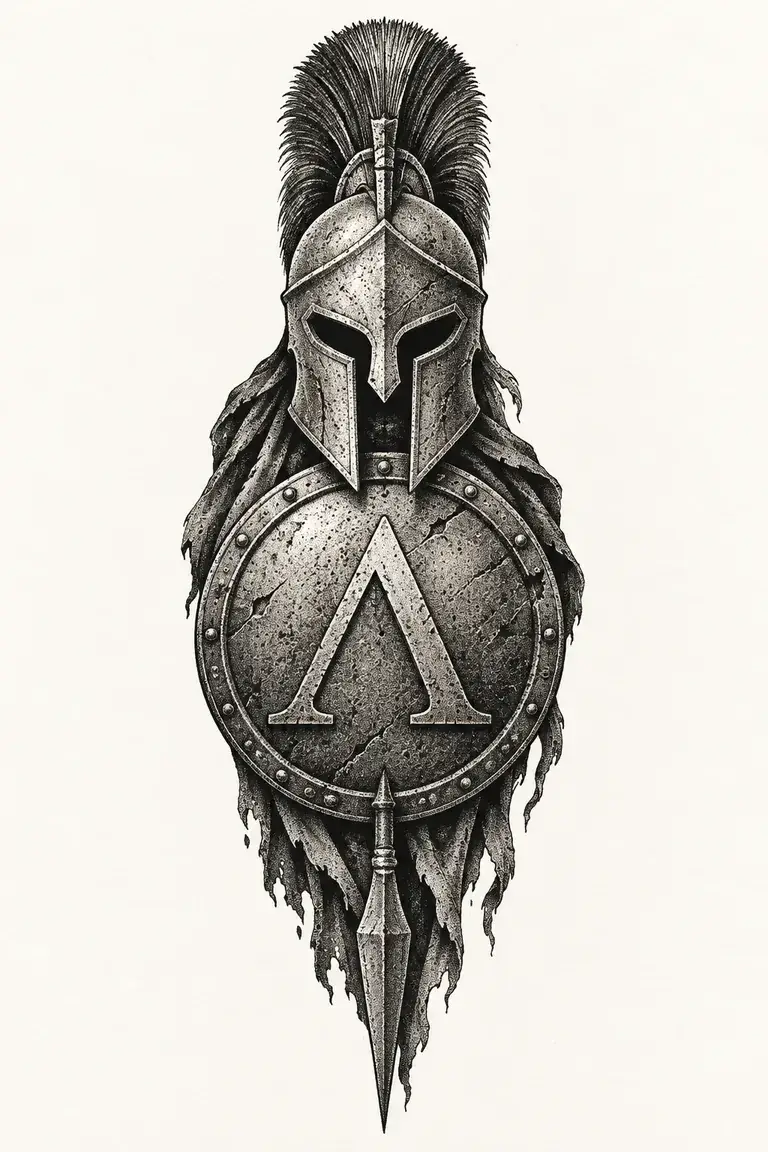
Dotwork, Forearm
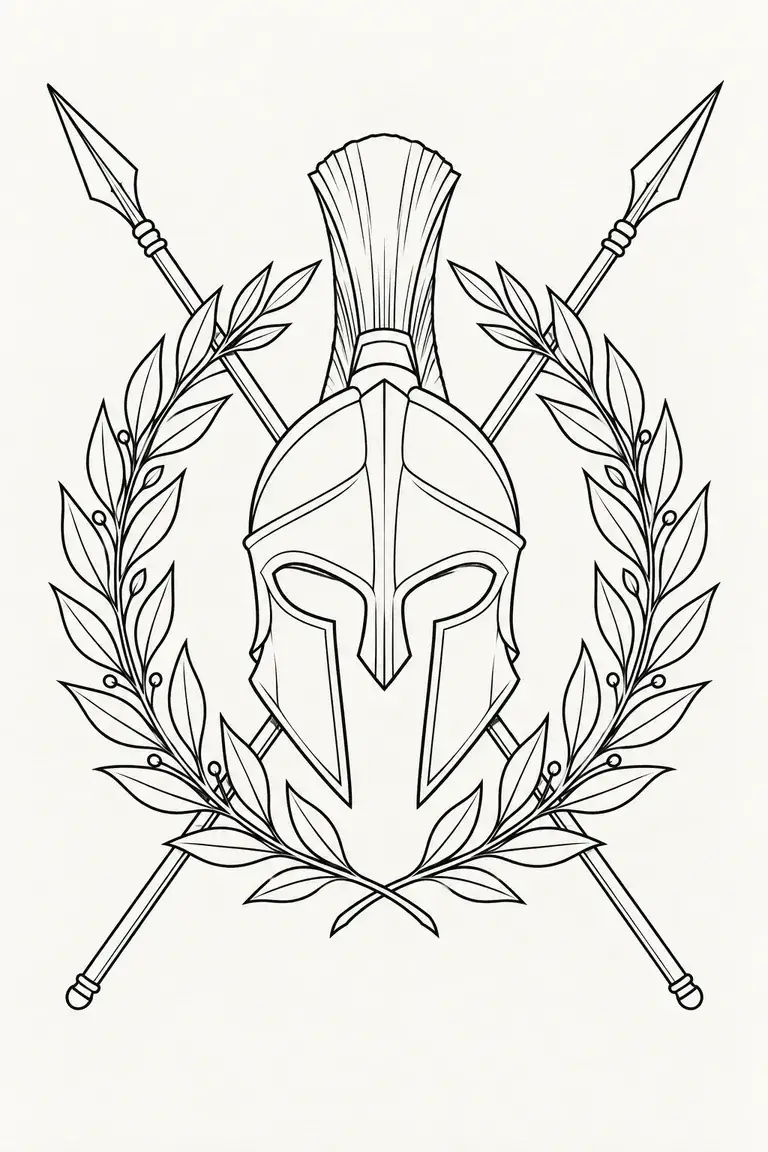
Minimalist, Back
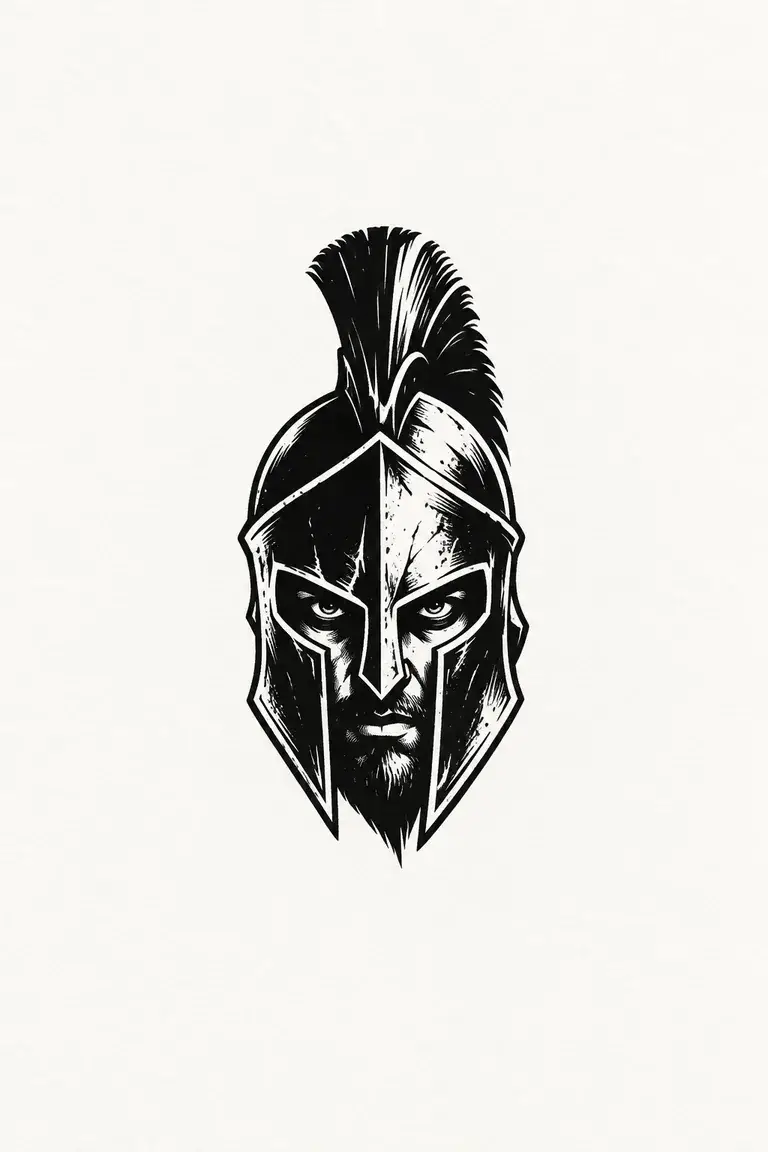
Blackwork, Ankle
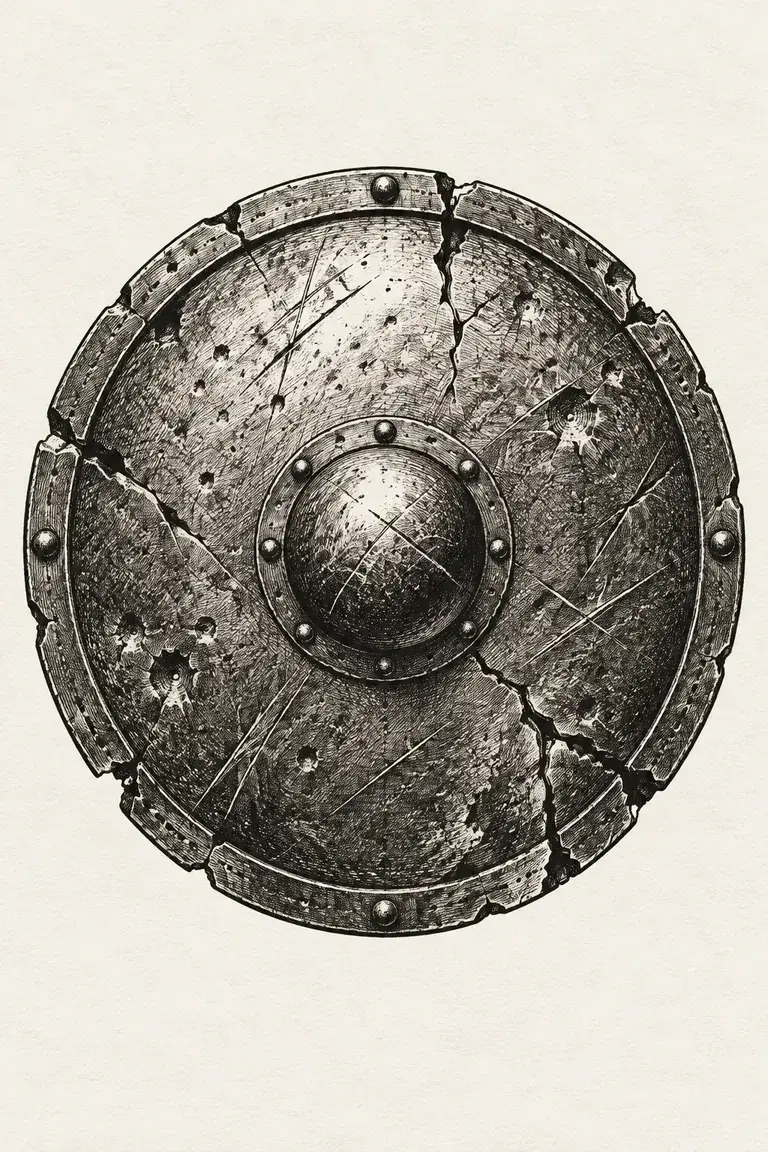
Engraving, Calf
Frequently asked questions
What does a Spartan tattoo mean?
It usually stands for discipline, courage, brotherhood and strength. Many soldiers, athletes and people in protective jobs choose it as a reminder to stay tough and stand by their team.
What does Molon labe mean?
It means "Come and take them." According to Plutarch's Sayings of Spartans, King Leonidas gave this answer when Xerxes demanded that the Greeks hand over their weapons at Thermopylae. Herodotus, our main source for the battle, does not record it, so it may be a later legend.
What does the Spartan lambda symbol mean?
The lambda (Λ) stands for Lakedaimon, the Greeks' name for the region of Sparta. Spartan hoplites painted it on their shields. Our earliest evidence comes from the late fifth century BCE, so it may not have been in use as early as Thermopylae in 480 BCE.
What does "With your shield or on it" mean?
It means come back victorious or come back dead, but never abandon your shield to run away. Plutarch's Sayings of Spartan Women records it as the words a Spartan mother spoke when handing her son his shield.
Were there really only 300 Spartans at Thermopylae?
There were 300 Spartan citizens under Leonidas, but Herodotus says several thousand other Greeks fought too. On the final day, the Spartans stayed with about 700 Thespians and 400 Thebans while most of the army withdrew.